Resilience at Home: Hope and Healing for Families Facing Childhood Cancer
Facing a childhood cancer diagnosis feels like stepping into a storm with no clear path. You want to hold your family together, but the weight of fear and uncertainty can feel crushing. This blog shares real strategies for childhood cancer resilience, practical ways to build hope and healing from my experience as a mother and cancer nurse. Let me walk with you through what’s possible when strength meets care.
Navigating Hope and Healing

When you’re in the thick of a child’s cancer journey, hope can seem distant. Yet, hope is essential. It’s the light that guides families through the darkest times. Let’s explore how caregivers can find and nurture this vital element.
Practical Coping Skills for Caregivers
Caring for a child with cancer is overwhelming. You might feel like you need to be strong all the time. But here’s a secret: it’s okay to lean on others. Build a network of family, friends, and support groups. Let them help with meals or chores. These small assists can make a big difference.
Try setting a routine. It grounds both you and your child. Consistent daily patterns provide comfort amid chaos. You don’t have to manage everything alone. Share responsibilities with your partner or family. This not only lightens your load but also strengthens bonds.
Remember, self-care is not selfish. Take time for a walk, a nap, or a good book. These moments recharge you, making you a more patient and present caregiver. Caregiver burnout prevention is key: taking care of yourself allows you to care for your child better.
Mind–Body Practices for Caregivers
Mind–body practices like meditation or yoga can be powerful. They help calm the mind and ease stress. Even five minutes of deep breathing can reset your day. These practices support not just mental health, but physical health too.
Visualization is another tool. Picture a peaceful place or imagine a positive outcome for your child. This can uplift your mood and foster optimism. Share these practices with your child. It can be a bonding activity and provide them with their own coping tools.
Incorporate gratitude into your daily life. Start or end your day by listing three things you’re thankful for. This simple act shifts focus from what’s missing to what’s present. It builds a foundation of hope and resilience. Mind–body practices for caregivers aren’t just for moments of peace; they’re a lifelong toolkit for well-being.
Building Family Resilience
As caregivers find their footing, families also need to strengthen their resilience. Together, you can face the challenges of pediatric cancer with unity and courage.
Resilience Strategies for Families
Communication is key. Share feelings openly with each other. It’s okay to admit fear or frustration. Honest conversations bring families closer. Set aside time each week to check in with each other. This regular connection fosters a sense of security.
Create new traditions that include all family members. These can be simple, like a weekly movie night or a daily gratitude circle. Traditions build continuity and joy, even in tough times. They remind everyone that life holds moments of happiness.
Remember to celebrate small victories. Every milestone, big or small, deserves recognition. These moments of joy inject positivity into the journey. Resilience strategies for families include celebrating the little things, which offer strength for the bigger battles.
Family Coping with Pediatric Cancer
Understand that each family member copes differently. Encourage everyone to express their emotions in their own way. Some might write, others might draw or talk. Respect these differences to maintain harmony.
Seek professional support if needed. Family therapy can be a safe space for everyone to voice their concerns. It provides tools to navigate this journey together. Sometimes, an outside perspective can help untangle complex feelings.
Create a support system outside of the immediate family. Involve extended family, friends, or community groups. They offer additional layers of support. This wider net of care adds stability and reassurance. Family coping with pediatric cancer is a shared effort, one that unites and strengthens.
Embracing Survivorship and Growth
Emerging from a cancer journey brings its own challenges and growth opportunities. Let’s explore how trauma can transform into a source of strength and how science supports this healing process.
Trauma and Post-Traumatic Growth
Trauma reshapes us. But it can also lead to growth. Many families find new strength and purpose after the intense experience of cancer. It’s about finding meaning in the journey. Reflect on what has changed for the better. Perhaps you discovered new strengths or deepened relationships.
Share stories of growth with others. Your journey may inspire another family facing similar trials. This exchange of experiences builds a community of resilience. Remember, growth doesn’t erase the pain, but it can bring new hope.
Embrace the future with openness. Life after cancer is a new chapter. Fill it with goals and dreams. This mindset shift is crucial for moving forward. Trauma and post-traumatic growth show us that even after the storm, there is light and life.
Psychoneuroimmunology Insights
Science supports these journeys of resilience. Psychoneuroimmunology explores how our minds influence our health. Stressful thoughts can impact our bodies, but so can positive ones. Practices like mindfulness and gratitude can boost immune function and improve outcomes.
Understand that healing is a holistic process. It’s not just about physical health, but mental and emotional well-being too. Engage in activities that bring joy and relaxation. These moments of happiness are part of the healing journey.
Share these insights with your healthcare team. They can offer more integrative healing strategies tailored to your family’s needs. Psychoneuroimmunology insights remind us of the powerful connection between mind and body, and the role they play in recovery and resilience.
In closing, remember that you are not alone. Your journey, though difficult, is also a story of courage and growth. Embrace the support around you, nurture hope, and continue to discover new strengths. Together, we can navigate this path of healing and resilience.
About the Book
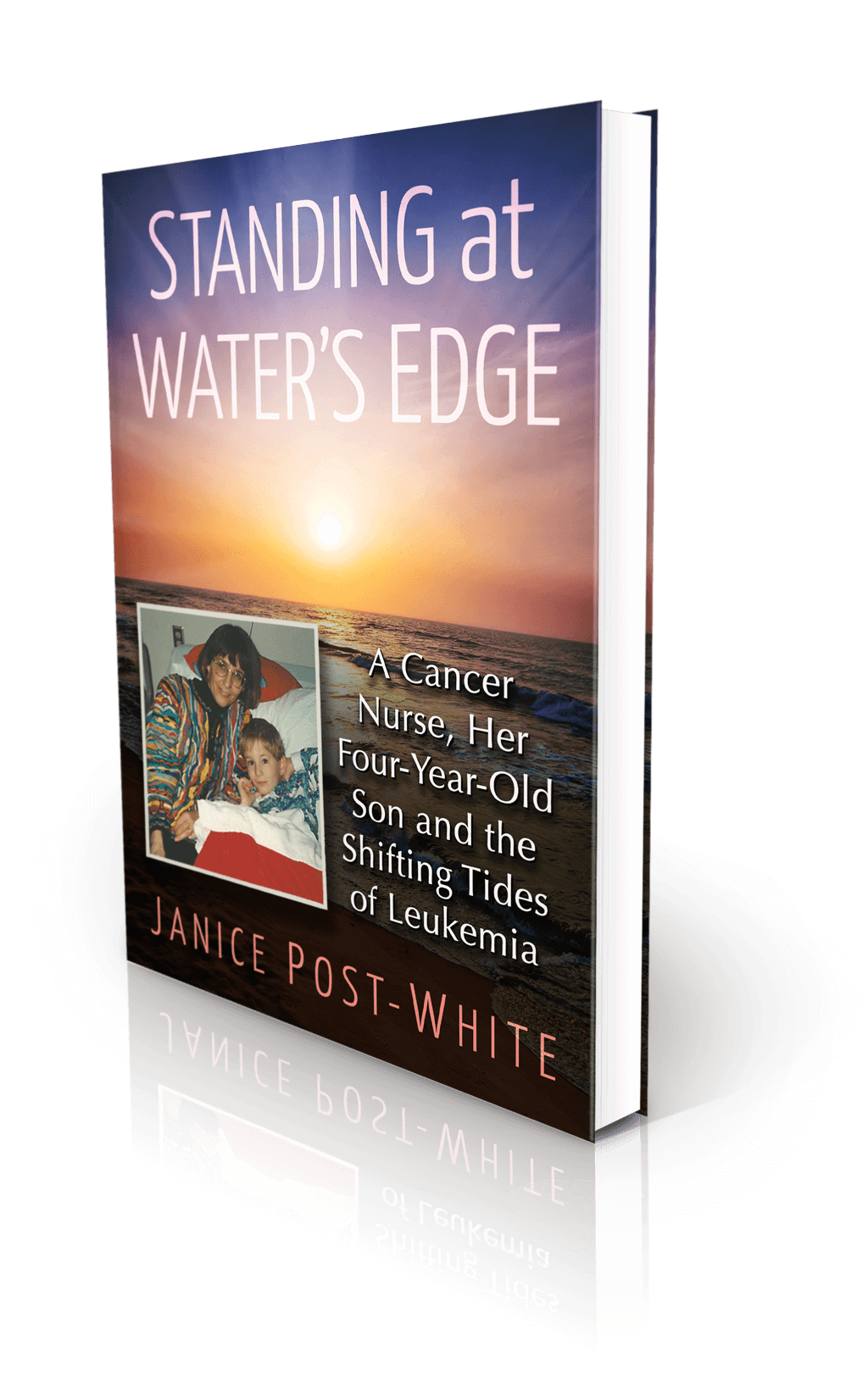
Janice Post-White’s memoir is a story about a cancer nurse who thought she knew what life and death were about.
Then her 4-year-old son got leukemia.
This heart-wrenchingly real but inspiring book shines a light on the life-affirming discoveries that can be made when one is forced to face death—and bravely chooses to face fears.
ON SALE DECEMBER 3, 2021
2022 First Place Award from the American Journal of Nursing Book of the Year in the category of Consumer Health and Third Place in Creative Works
Finalist in Health/Cancer from the American Book Fest Best Book Awards, the International Book Awards, and the Eric Hoffer Book Awards