Small Braveries: Personal Stories of Resilience During Childhood Cancer Treatment
Small acts of courage often go unnoticed in the whirlwind of childhood cancer treatment. Yet these tiny moments of strength build a quiet, steady resilience that carries families through the hardest days. Through personal stories from my son’s leukemia journey, you’ll see how resilience grows in everyday life, making space for fear and fatigue while offering practical ways to cope. Join me in exploring these pediatric oncology stories that bring hope during treatment and healing afterward.
Small Acts of Bravery
Every day brings a chance to witness resilience. The smallest gestures can carry the weight of hope and strength. This section highlights the hidden bravery in everyday moments during our journey with childhood cancer.
The Power of a Smile
A genuine smile has the power to brighten even the darkest days. When my son was battling leukemia, his smile was like a beacon. It reminded us that joy can exist even amid trials. One day, as we sat in the hospital room, he managed a smile that lit up the space. It wasn’t just a reaction; it was a choice to find light in the shadows.
Smiles can uplift spirits and change perspectives. They encourage everyone around to pause and appreciate the present. When you smile, you offer comfort and connection. It’s a simple yet profound way to show strength.
Finding Strength in Routine
Establishing routines brought stability during chaos. The predictability of daily tasks offered a sense of control. Each morning, we had a ritual: breakfast, a walk in the courtyard, and reading a favorite book. These routines provided a touchstone, something solid to cling to when everything else felt uncertain.
Routines don’t just help those in treatment. They also support caregivers. They become anchors, helping you navigate through the turbulent waters of fear and anxiety. By creating a routine, you build a framework for resilience.
Navigating Fear and Fatigue
Fear and fatigue can feel overwhelming. Yet, within these emotions lie growth opportunities. Understanding how to navigate these feelings is crucial for caregivers and patients alike.
Balancing Caregiving and Rest
Caregiving demands much of your energy and time. It’s easy to forget about your own needs. However, balance is key to sustaining your strength. One technique I found helpful was setting small, achievable goals each day. Whether it was taking a short walk or reading a chapter of a book, these moments of rest helped recharge my spirit.
Rest isn’t a luxury; it’s a necessity. When you allow yourself to rest, you become a more effective caregiver. You can support others better when you’re not running on empty. Remember: caring for yourself is a vital part of caring for your loved one.
Embracing Vulnerability
Vulnerability can be daunting, especially when faced with illness. But embracing it can lead to deeper connections and healing. Sharing fears and uncertainties with others helped create a supportive community around us. We learned we weren’t alone.
Opening up to others allows you to receive support and understanding. It can turn isolation into connection. Vulnerability is not a weakness; it’s a bridge to resilience and strength.
Hope and Healing

Hope is a powerful force that can drive healing. By sharing stories and practices, we find ways to nurture hope and foster recovery.
Stories of Survivorship
Hearing other families’ stories of survivorship gave us hope. Each tale was a testament to the human spirit’s strength. One story that stands out is of a young girl who, after beating cancer, went on to advocate for other children facing similar battles. Her journey was a reminder that after the storm, there’s room for growth and new beginnings.
Survivorship stories inspire and reassure us that healing is possible. They show that life after treatment can be fulfilling and meaningful.
Mind-Body Practices for Caregivers
Caring for someone with cancer impacts both mind and body. Incorporating mind-body practices can be transformative. Techniques like meditation, deep breathing, and gentle yoga helped us manage stress and maintain focus. They provided a sense of calm and control.
These practices don’t require much time or space. You can start with just a few minutes a day. The key is consistency. Mind-body practices can become a sanctuary, offering peace and resilience amid chaos.
Through these stories and insights, we explore the multifaceted journey of childhood cancer. Each moment, each act, no matter how small, contributes to a greater tapestry of resilience. As you navigate your own journey, remember that you are not alone. The strength you need is within you, ready to guide you through.
About the Book
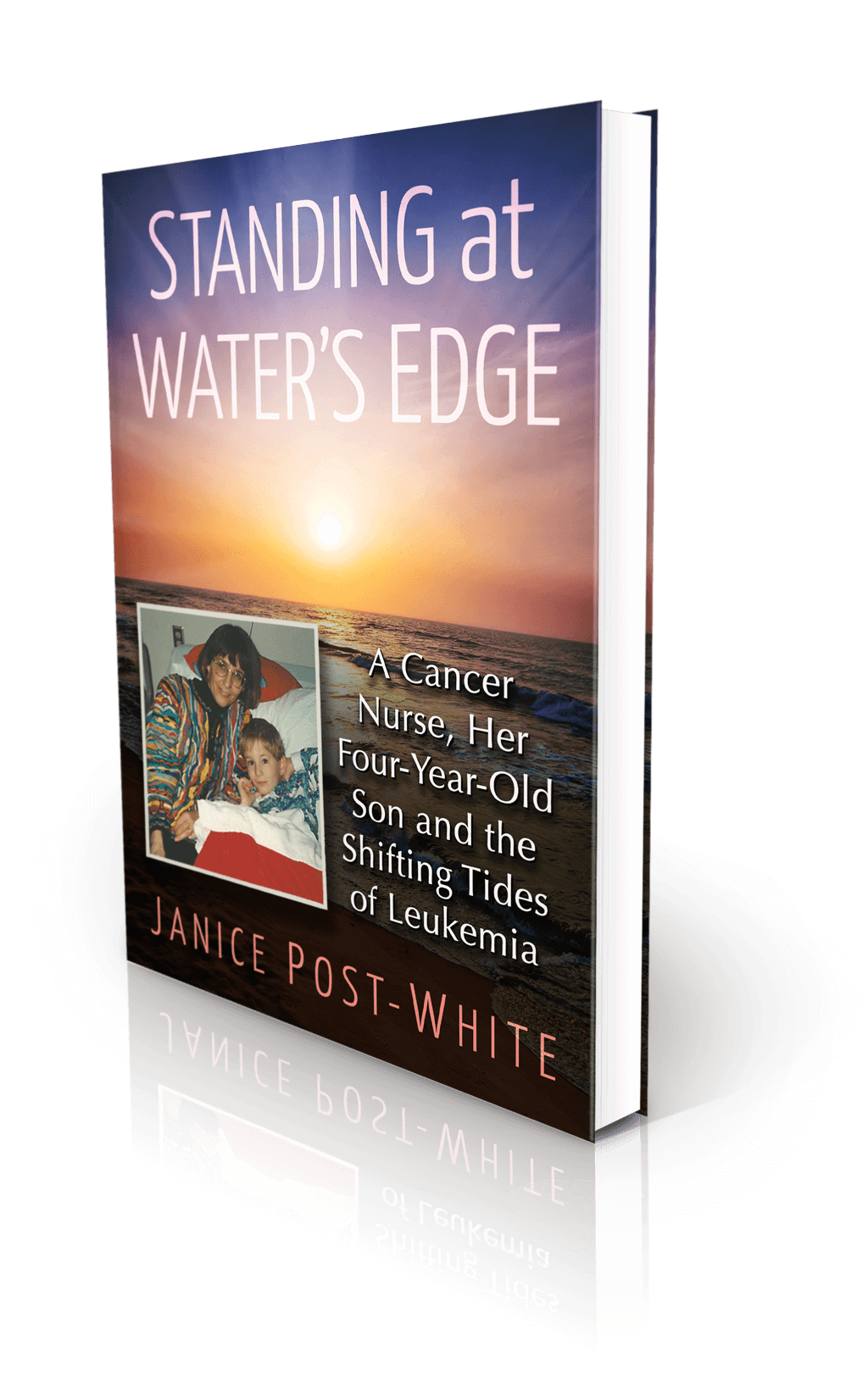
Janice Post-White’s memoir is a story about a cancer nurse who thought she knew what life and death were about.
Then her 4-year-old son got leukemia.
This heart-wrenchingly real but inspiring book shines a light on the life-affirming discoveries that can be made when one is forced to face death—and bravely chooses to face fears.
ON SALE DECEMBER 3, 2021
2022 First Place Award from the American Journal of Nursing Book of the Year in the category of Consumer Health and Third Place in Creative Works
Finalist in Health/Cancer from the American Book Fest Best Book Awards, the International Book Awards, and the Eric Hoffer Book Awards