Lessons From Childhood Cancer: Resilience, Love, and Long-Term Healing
Childhood cancer changes everything in a family’s life, reshaping what strength and love truly mean. As a mother and cancer nurse, I’ve seen how resilience grows not in a day but over years filled with both hardship and healing. This blog shares hard-won lessons on childhood cancer resilience, offering caregiver tips and insights that support long-term healing after cancer. Join me in exploring how families can protect love and care for the whole self through the toughest journeys.
Building Resilience in Families
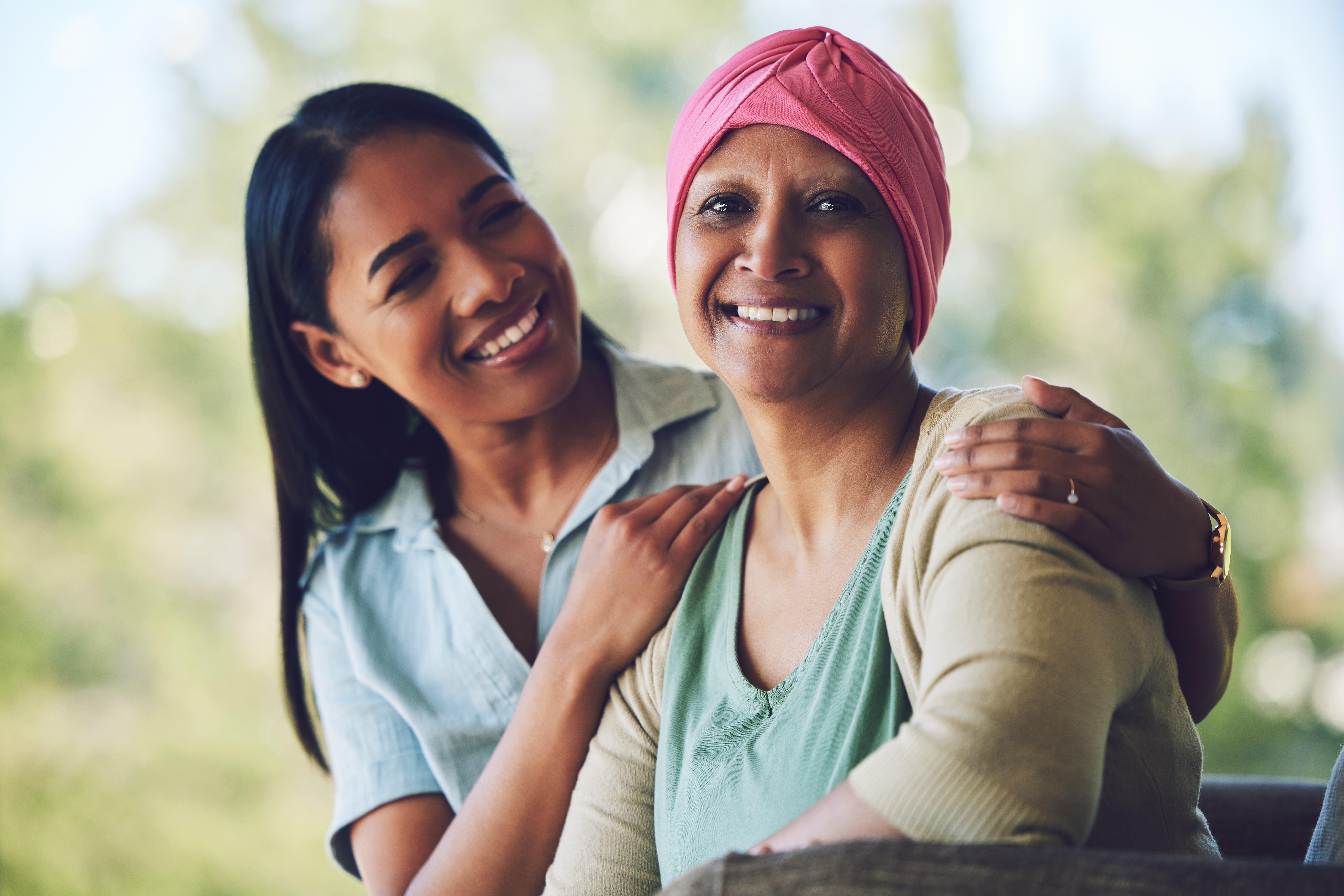
Life throws tough challenges when childhood cancer invades a family. But within these struggles, resilience can grow, helping families face what comes next.
Childhood Cancer Resilience Insights
When a child is diagnosed with cancer, the world feels like it stops. You might feel lost, unsure of the next step. But here’s the key insight: resilience can be built. Start by embracing small victories. Celebrate each day your child feels better, even if it’s just a little. These moments strengthen you for the harder days.
Another tip is to create a routine. It sounds simple, but routines offer stability in chaos. It could be as basic as having breakfast together. This regularity gives your family a sense of normalcy and control. Remember, most people think that resilience is innate, but it’s a skill that grows with practice.
Resilience Practices for Caregivers
Caregivers often bear a heavy emotional load. Mindfulness and stress reduction techniques can be a lifeline. Try taking a few minutes each day to breathe deeply and clear your mind. This practice can reset your mood, making it easier to support your child.
Also, don’t forget compassion fatigue prevention. Check in with yourself regularly: Are you feeling overwhelmed? It’s okay to ask for help. Reach out to support groups or talk to a professional. Sharing your burden can lighten it considerably.
Coping with Treatment Side Effects
Helping a child through cancer treatment is tough, but understanding side effects can ease the journey. Stay informed about what each treatment involves. Knowing what to expect can prepare you and your child for what’s ahead.
Creating a comfort kit is another helpful approach. Fill a small bag with items your child loves: favorite books, soft blankets, or snacks. This kit can provide comfort during long hospital stays or treatments. Little things can make a big difference in how your child copes.
Love and Connection Through Adversity
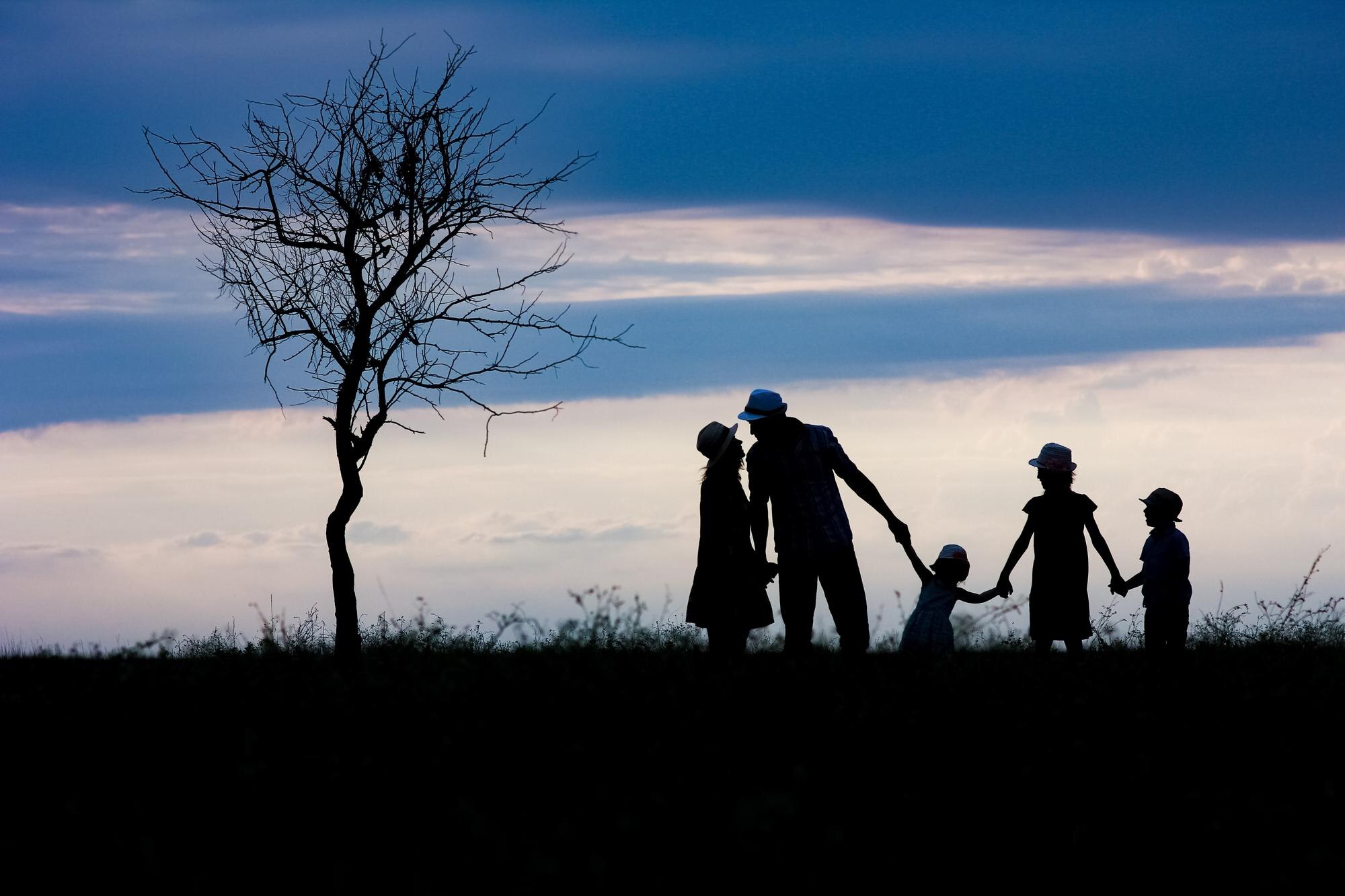
In the midst of adversity, love and connection become even more vital. These bonds help families hold on and push forward.
Pediatric Leukemia Family Story
Picture this: A four-year-old boy, diagnosed with leukemia, faces hospital visits and treatments. His family rallies, forming a shield of love around him. They learn to laugh at small things, to cherish moments together.
These families teach us that love is a powerful force. It’s not just about being together; it’s about truly connecting, even in silence, even in tears.
Supporting Siblings During Cancer
Siblings often feel left out when cancer demands attention. It’s essential to include them in the journey. Open conversations can make them feel valued. Ask about their feelings, answer their questions honestly.
Consider dedicated time for the sibling. Whether it’s a quick game or a chat before bed, these moments reassure them of their importance. Most assume siblings are fine, but they need just as much support as anyone else.
Hope and Resilience Memoir
Stories of hope can lift spirits. In my memoir, I share our family’s journey through the storm of cancer. It’s a tale of finding light in dark times, of resilience that doesn’t waver. By sharing our story, I hope to inspire others to find their strength.
Long-Term Healing After Cancer

Healing doesn’t stop when treatments end. Long-term healing requires a blend of mind, body, and spirit engagement.
Integrative Healing and Cancer
Integrative healing practices can support recovery post-treatment. Techniques like yoga or meditation promote relaxation and reduce stress. These methods tap into the body’s natural ability to heal itself.
Psychoneuroimmunology for clinicians is another layer to consider. It explores how the mind affects the body, offering insights into holistic healing. Engaging with these practices can enhance the recovery journey.
Trauma-Informed Care in Pediatrics
Understanding trauma’s impact is crucial. Trauma-informed care means recognizing that every child processes experiences differently. This approach focuses on creating a safe environment where healing can occur naturally.
Offer choices when possible: Let children have a say in their treatments or daily routines. This autonomy helps them feel more in control, which is vital for recovery.
Cancer Survivorship Resources
The journey doesn’t end after treatments. Survivorship brings its own set of challenges. Cancer survivorship resources can provide guidance and support. From support groups to educational materials, these resources help families navigate life after cancer.
In conclusion, resilience, love, and long-term healing are interwoven in the fabric of families facing childhood cancer. Through shared experiences and practical insights, families can not only survive but thrive. Embrace these lessons and continue the journey toward healing with hope and strength.
About the Book
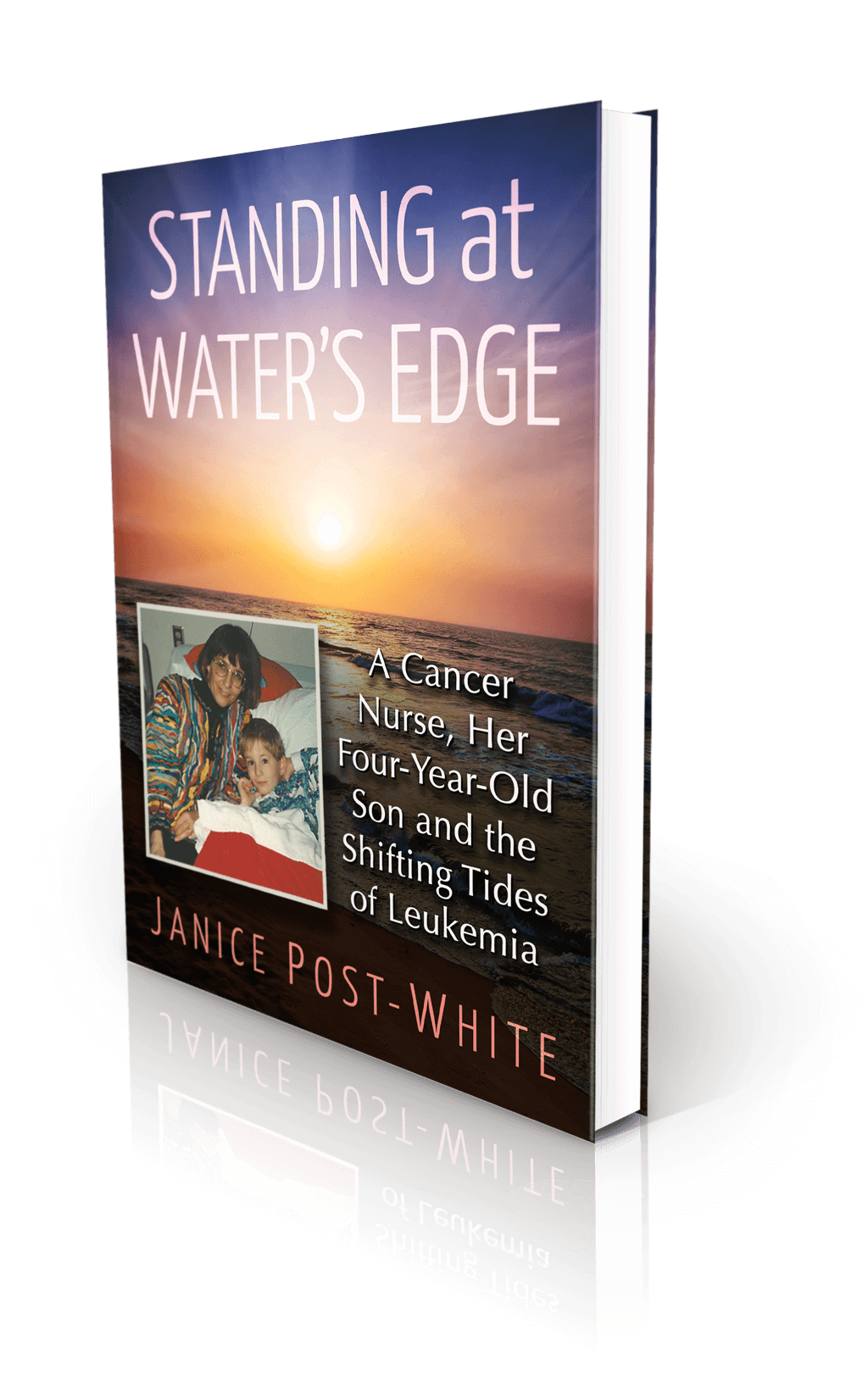
Janice Post-White’s memoir is a story about a cancer nurse who thought she knew what life and death were about.
Then her 4-year-old son got leukemia.
This heart-wrenchingly real but inspiring book shines a light on the life-affirming discoveries that can be made when one is forced to face death—and bravely chooses to face fears.
ON SALE DECEMBER 3, 2021
2022 First Place Award from the American Journal of Nursing Book of the Year in the category of Consumer Health and Third Place in Creative Works
Finalist in Health/Cancer from the American Book Fest Best Book Awards, the International Book Awards, and the Eric Hoffer Book Awards