Facing childhood cancer shakes every part of your world. The weight of fear and uncertainty can feel endless. Yet, steady emotional support for caregivers and families often becomes the unseen glue that holds hope and strength together. In this post, you’ll see how consistent childhood cancer support builds resilience and connection, plus simple steps you can take today to lighten the load.
Strengthening Family Bonds
Emotional support acts as a cornerstone for families facing childhood cancer. It’s vital to understand how these bonds can fortify resilience.
Coping Through Connection
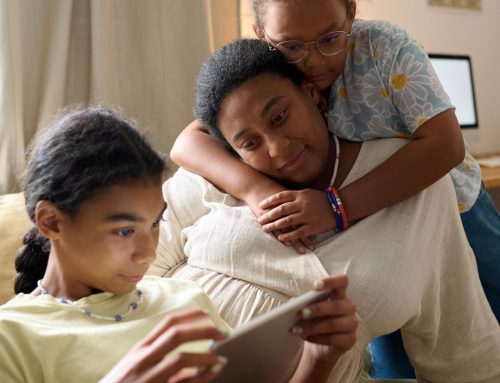
Connection helps when you’re feeling overwhelmed. Sharing your thoughts and fears with loved ones can create a sense of unity. This bond becomes a source of strength, allowing families to weather the storm together. When your child faces cancer, you may feel isolated. But through open dialogue, you realize you’re not alone. Most families find that regular family meetings or simple check-ins help strengthen these ties. By talking regularly, you can share worries and joys, creating a shared understanding and support system.
Resilience in Cancer Journey
Resilience isn’t just about enduring; it’s about growing stronger. Families who emphasize emotional support often find themselves more adaptable. This journey is unpredictable, but facing it with a resilient spirit can ease the burden. When challenges arise, your collective resolve becomes evident. Reflecting on past hardships and victories reminds you of your strength. Families often draw on stories of past trials to reinforce their belief in overcoming present difficulties. It’s in these moments that resilience is truly tested and proven.
Mind Body Support in Cancer
The connection between mind and body plays a crucial role during cancer treatment. Stress can affect immunity, but emotional support can bolster both. Many families find that engaging in activities like yoga or meditation calms the mind and supports physical health. Practicing mindfulness can help regulate emotions and reduce stress. Incorporating these practices into daily life can support your family’s overall well-being. By nurturing both mind and body, you create a holistic approach to healing that benefits everyone involved.
Practical Support Strategies

Facing childhood cancer demands practical strategies to support emotional well-being. Let’s explore simple actions that can make a big difference.
Simple Steps for Caregivers
Caregivers often face the brunt of stress. Here are some steps to lighten the load:
-
Prioritize Self-Care: Take time for yourself, even if it’s just a few minutes a day. This helps recharge your emotional batteries.
-
Set Boundaries: It’s okay to say no. Protect your time by setting limits on what you can handle.
-
Seek Help: Reach out to friends or professionals for support. Sharing responsibilities can alleviate some of the pressure.
By implementing these steps, caregivers can better manage their stress and provide more effective support to their families.
Integrative Healing for Families
Integrative healing combines traditional and alternative therapies, offering a more rounded approach to health. Families can explore options like acupuncture or aromatherapy to complement conventional treatments. These therapies can help manage symptoms and promote relaxation. Integrating such practices can support emotional and physical healing. By exploring these alternatives, families may find new ways to enhance their well-being and resilience.
Preventing Caregiver Burnout
Burnout is a real risk for caregivers. To prevent it, recognize the signs early: feeling exhausted, irritable, or detached. Address these feelings proactively. Practicing regular self-care and seeking support can mitigate burnout. Remember, taking care of yourself is vital to taking care of others. By prioritizing your well-being, you ensure you can continue to provide the best support to your loved ones.
The Power of Shared Stories

Shared stories can inspire hope and healing. By connecting with others, families find comfort in knowing they are not alone.
Survivorship Story Insights
Survivorship stories offer unique insights into resilience. Hearing how others have navigated similar challenges provides perspective and hope. These stories can be a source of inspiration, reminding you that recovery is possible. Engaging with these narratives can offer fresh insights and renewed motivation to keep pushing forward.
Hope and Healing Through Memoirs
Memoirs can be a powerful tool for healing. They offer a window into someone else’s journey, providing comfort and understanding. By reading about others’ experiences, you gain insight into your own path. A memoir can be a companion, guiding you through tough times with shared wisdom and empathy. It’s a reminder that hope exists, even in the darkest moments.
Support Groups for Parents
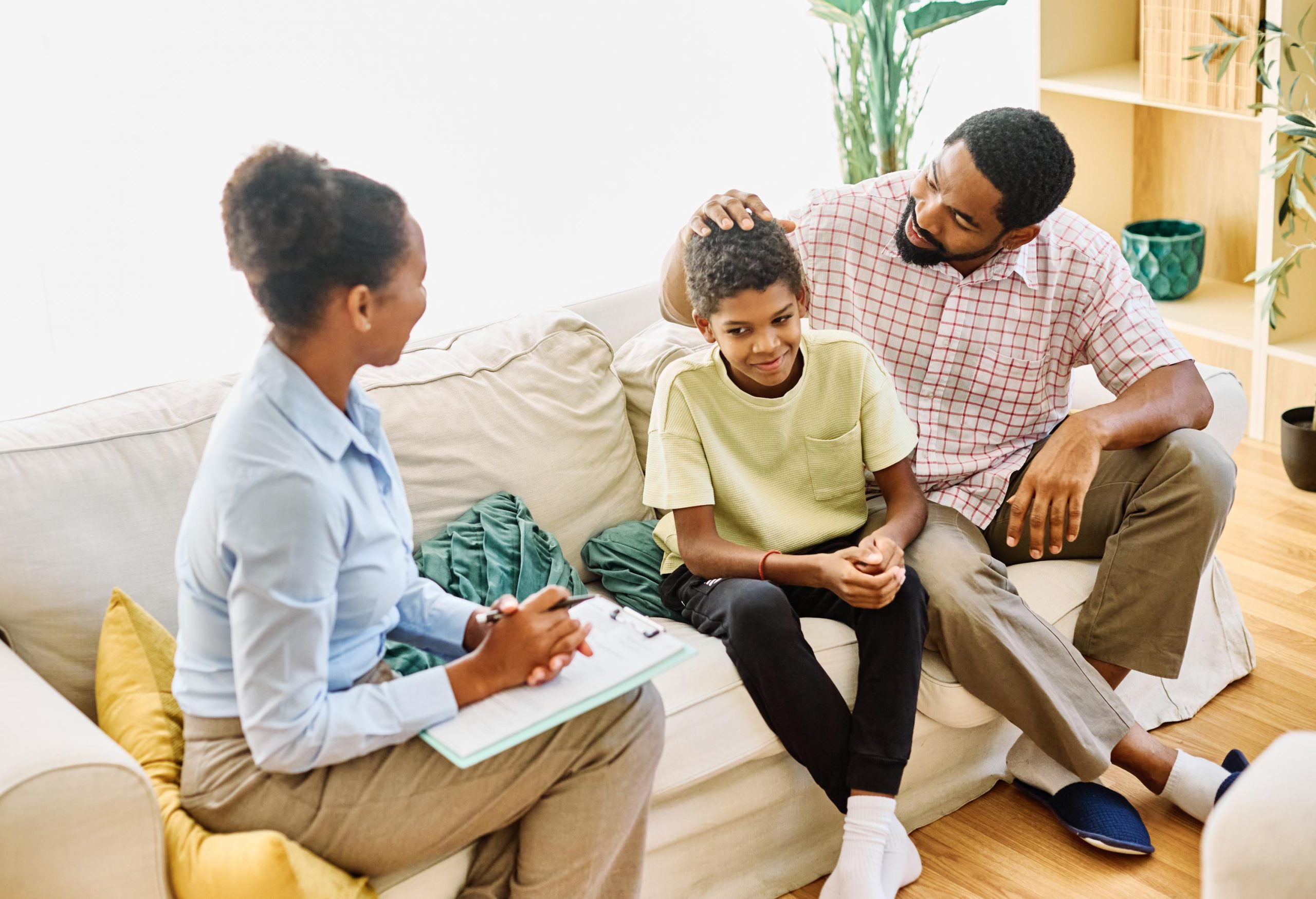
Support groups provide a safe space for parents to share and connect. They offer a community of understanding and empathy. By joining a group, you can share experiences and find solace in knowing others face similar challenges. Support groups remind you that you are not alone. They provide a network of support, offering strength and encouragement when you need it most.
Frequently Asked Questions
How can families support a child with cancer emotionally?
Families can support a child with cancer by maintaining open communication, offering reassurance, and spending quality time together. Engaging in activities that promote relaxation can also be beneficial.
What are some effective strategies for caregiver self-care?
Effective strategies for caregiver self-care include setting boundaries, prioritizing personal time, and seeking support from friends or professionals. Regular self-care helps manage stress and prevent burnout.
What role do support groups play for families facing childhood cancer?
Support groups offer a community where families can share experiences and find understanding. They provide emotional support and practical advice, helping families feel less isolated during their journey.
About the Book
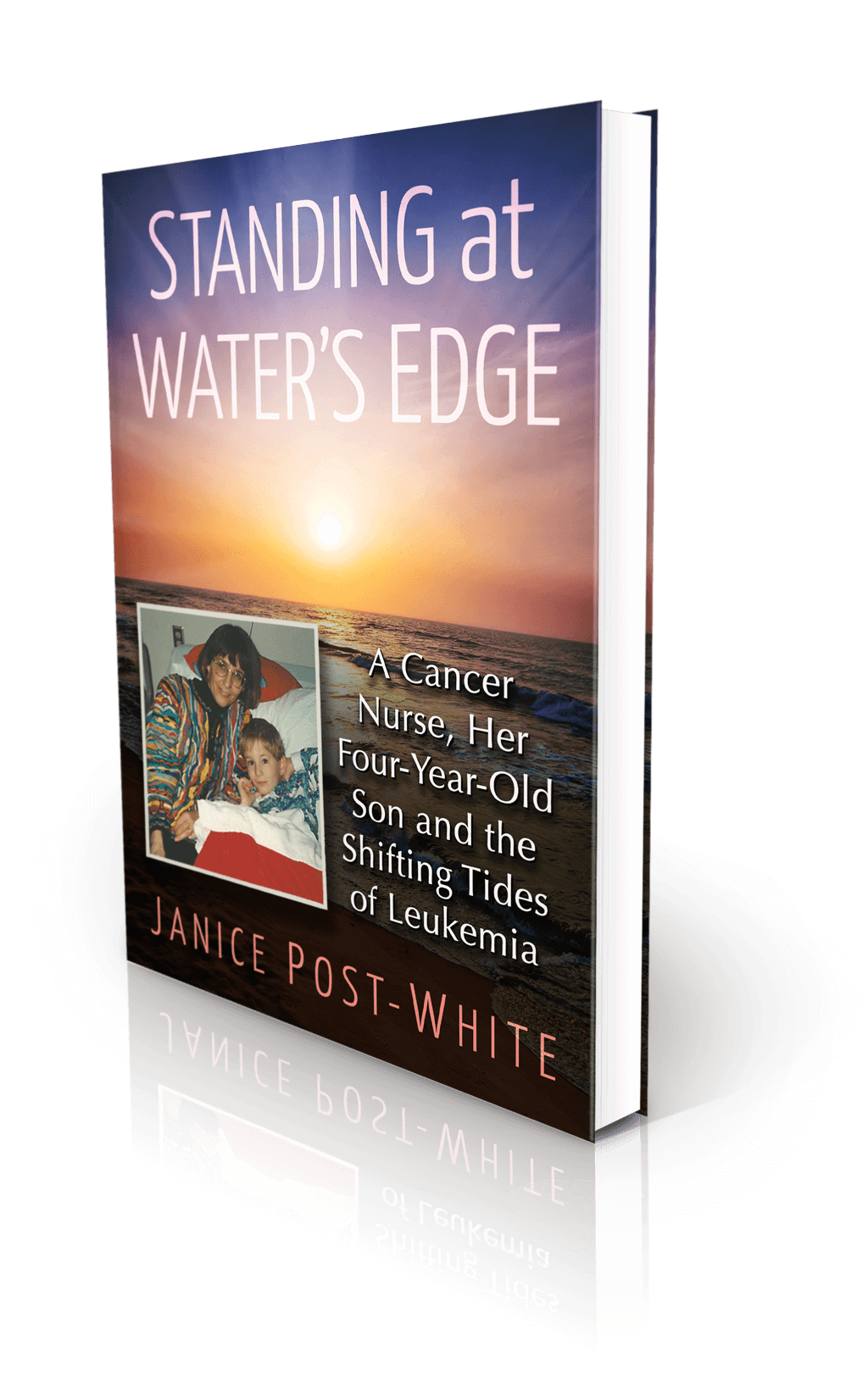
Janice Post-White’s memoir is a story about a cancer nurse who thought she knew what life and death were about.
Then her 4-year-old son got leukemia.
This heart-wrenchingly real but inspiring book shines a light on the life-affirming discoveries that can be made when one is forced to face death—and bravely chooses to face fears.
ON SALE DECEMBER 3, 2021
2022 First Place Award from the American Journal of Nursing Book of the Year in the category of Consumer Health and Third Place in Creative Works
Finalist in Health/Cancer from the American Book Fest Best Book Awards, the International Book Awards, and the Eric Hoffer Book Awards