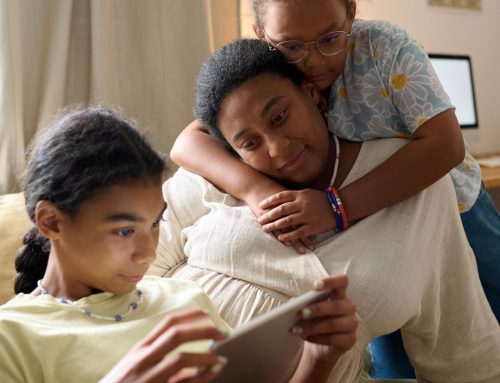
Whole-person care isn’t just a phrase, it’s a lifeline for families facing childhood cancer. When your child’s body fights disease, your mind and family need attention too. This approach lifts up every part of your life, from managing symptoms to supporting siblings and caregivers. In this post, I’ll share what whole-person care looks like in real life and offer practical steps you can take today to feel steadier and more hopeful.
Understanding Whole-Person Care
Whole-person care is about seeing beyond the illness and focusing on all aspects of life that are affected. It’s not just about treating the disease; it’s about fostering wellness in the mind, body, and family unit.
Defining Whole-Person Care
Whole-person care is an approach that considers the physical, emotional, and social needs of a child with cancer. This type of care acknowledges that when a child is battling cancer, the entire family feels the impact. It means supporting not just the medical needs, but also the psychological and social challenges that come with a cancer diagnosis. By focusing on the whole picture, families can create a supportive environment that nurtures healing and resilience.
Importance for Families Facing Cancer
Families facing childhood cancer often navigate a complex and stressful journey. Whole-person care is vital because it helps families cope with the emotional toll of cancer. It encourages open communication, which can reduce stress and anxiety. By addressing all aspects of life, families can find balance and strength to manage the challenges ahead. This comprehensive approach can improve the quality of life for both the child and the family, making the journey a bit more manageable.
Supporting the Child and Family
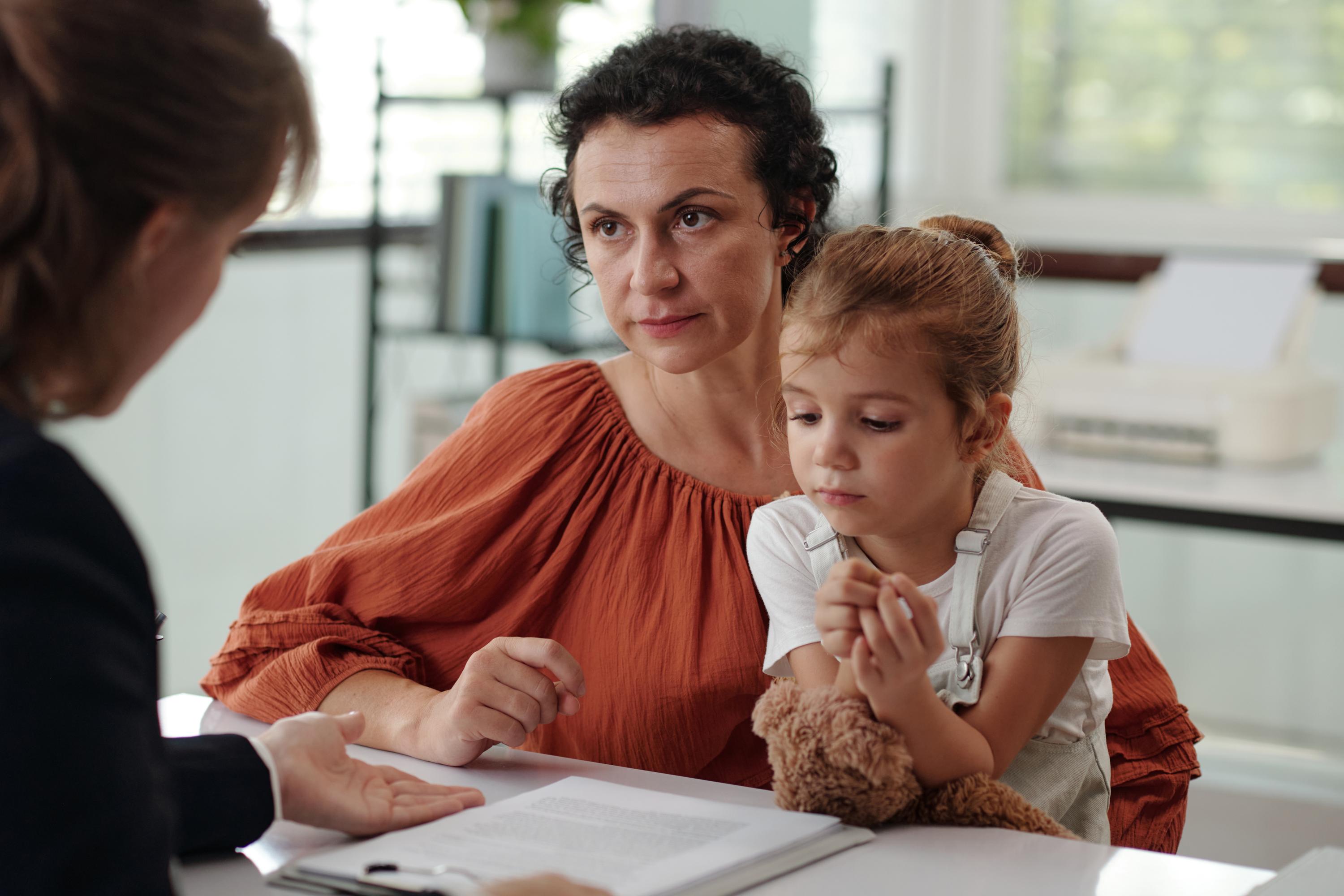
Supporting a child with cancer requires a blend of medical treatment and emotional support for the entire family. Each family member plays a crucial role in this process.
Integrative Approaches in Pediatric Oncology
Integrative approaches combine traditional cancer treatments with therapies that promote healing and well-being. This might include nutritional support, mindfulness practices, and gentle physical activities. Nutrition can play a crucial role, providing the necessary fuel for the body’s recovery processes. Mindfulness and relaxation techniques can help manage stress and improve sleep quality. By incorporating these methods, families can enhance the treatment experience and potentially improve outcomes.
Sibling Support in Childhood Cancer
Siblings of children with cancer often experience a range of emotions, from fear to jealousy. It’s important to acknowledge their feelings and provide support. Encourage open discussions about how they are feeling and involve them in the care process where appropriate. Simple activities like drawing or storytelling can help siblings express their emotions. Providing them with opportunities to talk to counselors or join support groups can also be beneficial, helping them feel less isolated and more understood.
Caregiver Support and Well-Being
Caregivers play an essential role, but they also need support to maintain their well-being. Caring for a child with cancer can be exhausting, both physically and emotionally. It’s vital to prioritize self-care: taking time for rest, seeking support from friends or professional counselors, and engaging in activities that replenish energy. Remember, taking care of yourself isn’t selfish; it’s necessary to maintain the strength needed to support your child.
Building Resilience and Hope
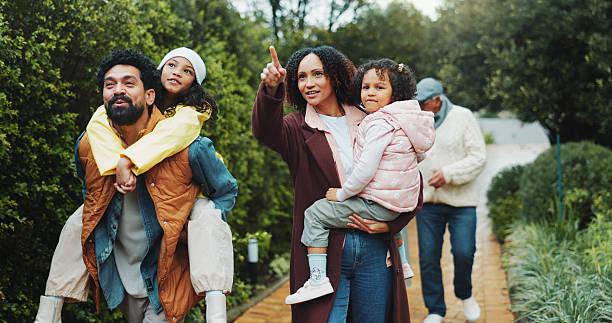
Resilience and hope are key components of the healing journey. They provide the strength to face daily challenges and look forward to brighter days.
Mind-Body Practices for Parents
Mind-body practices such as yoga, meditation, or deep breathing exercises can offer parents a way to manage stress and maintain mental health. These practices help calm the mind, providing a mental break from the constant worry. Engaging in these activities regularly can enhance resilience, allowing parents to handle the ups and downs of their child’s illness with greater ease.
School and Community During Treatment
Staying connected to school and the wider community can provide a sense of normalcy and support. Schools can play a supportive role by offering flexible learning options and keeping peers informed in a sensitive manner. Community groups or online forums can also provide a space for sharing experiences and gaining support from others who understand the journey. These connections help families feel less isolated and more supported.
Transitioning from Hospital to Home
Moving from hospital care back to home life is a significant transition. It’s important to prepare the home environment to support the child’s ongoing care needs. This might include setting up a quiet space for rest and providing any necessary medical supplies. Re-establishing routines can also help the family readjust. Open communication with your child’s healthcare team can ensure that you are well-equipped to manage this transition smoothly.
Frequently Asked Questions
How can whole-person care benefit my child with cancer?
Whole-person care benefits your child by addressing not just the physical aspects of cancer, but also the emotional and social ones. This comprehensive approach helps improve overall well-being and quality of life.
What are some ways to support siblings of a child with cancer?
Supporting siblings involves acknowledging their feelings, encouraging open communication, and involving them in the care process. Providing outlets for expression, like art or support groups, can also be beneficial.
How can caregivers maintain their well-being during a child’s cancer treatment?
Caregivers can maintain well-being by prioritizing self-care, seeking support from friends or professionals, and engaging in activities that replenish their energy. It’s important to take breaks and focus on personal health to support the child effectively.
About the Book
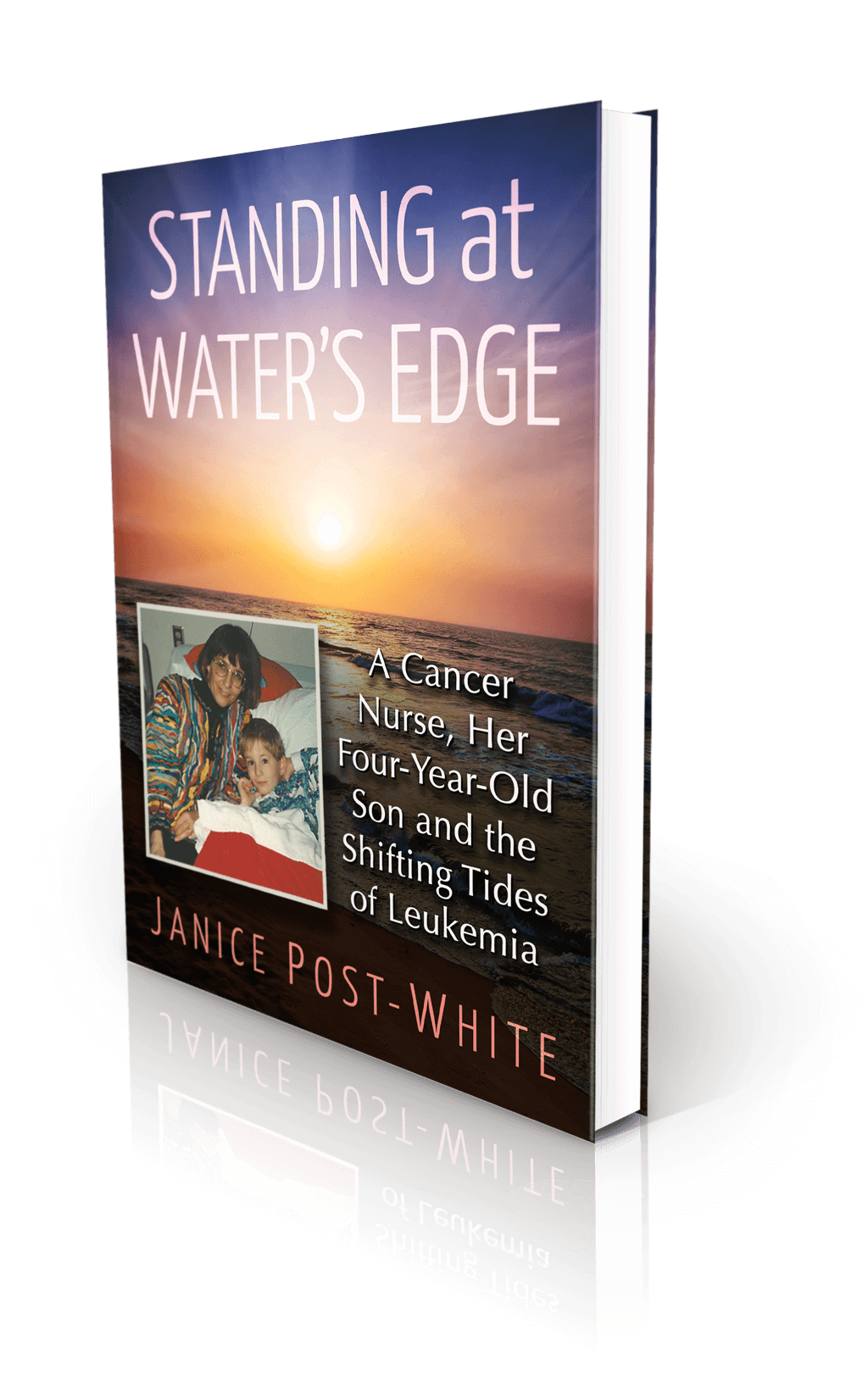
Janice Post-White’s memoir is a story about a cancer nurse who thought she knew what life and death were about.
Then her 4-year-old son got leukemia.
This heart-wrenchingly real but inspiring book shines a light on the life-affirming discoveries that can be made when one is forced to face death—and bravely chooses to face fears.
ON SALE DECEMBER 3, 2021
2022 First Place Award from the American Journal of Nursing Book of the Year in the category of Consumer Health and Third Place in Creative Works
Finalist in Health/Cancer from the American Book Fest Best Book Awards, the International Book Awards, and the Eric Hoffer Book Awards