Whole-Person Care for Childhood Cancer: Caring for Body, Mind, and Family

Whole-person care for childhood cancer addresses physical, emotional, and social needs of the child and family, emphasizing integrative treatments, sibling and caregiver support, resilience, and smooth hospital-to-home transitions.

Whole-Person Care in Childhood Cancer: Body, Mind, Spirit, and Family

Whole-person care in childhood cancer addresses body, mind, spirit, and family, emphasizing medical treatment, emotional support, resilience, mindfulness, sibling inclusion, and integrative therapies for holistic healing.

When Cancer Comes Home: How Childhood Illness Reshapes a Family and the Help That Heals

Childhood cancer reshapes family emotions, causing parental anxiety, sibling challenges, and caregiver stress. Integrative healing, mind-body practices, support groups, and open communication foster resilience and coping.

How Childhood Cancer Reshapes Family Emotions and the Help That Matters Most

Childhood cancer reshapes family emotions, requiring resilience, open sibling support, caregiver self-care, and community aid. Post-treatment focuses on healing, growth, and rebuilding hope.

How Childhood Cancer Reshapes a Family’s Emotional Life and the Support That Helps Most

Childhood cancer reshapes family emotions, causing fear and courage in parents, complex sibling dynamics, and partner strain. Support through honest communication, mindfulness, and support groups fosters resilience and hope.

When Childhood Cancer Moves In: How Family Life Changes and the Support That Helps Most

Childhood cancer disrupts family life, shifting roles and routines. Key support includes open communication, sibling care, self-care for caregivers, practical stress management, integrative healing, and building resilience.

What Childhood Cancer Taught Our Family About Resilience and Hope

Childhood cancer challenges families but fosters resilience, hope, and growth. Support, self-care, compassionate healthcare, and mind-body practices aid coping and healing for children and caregivers.

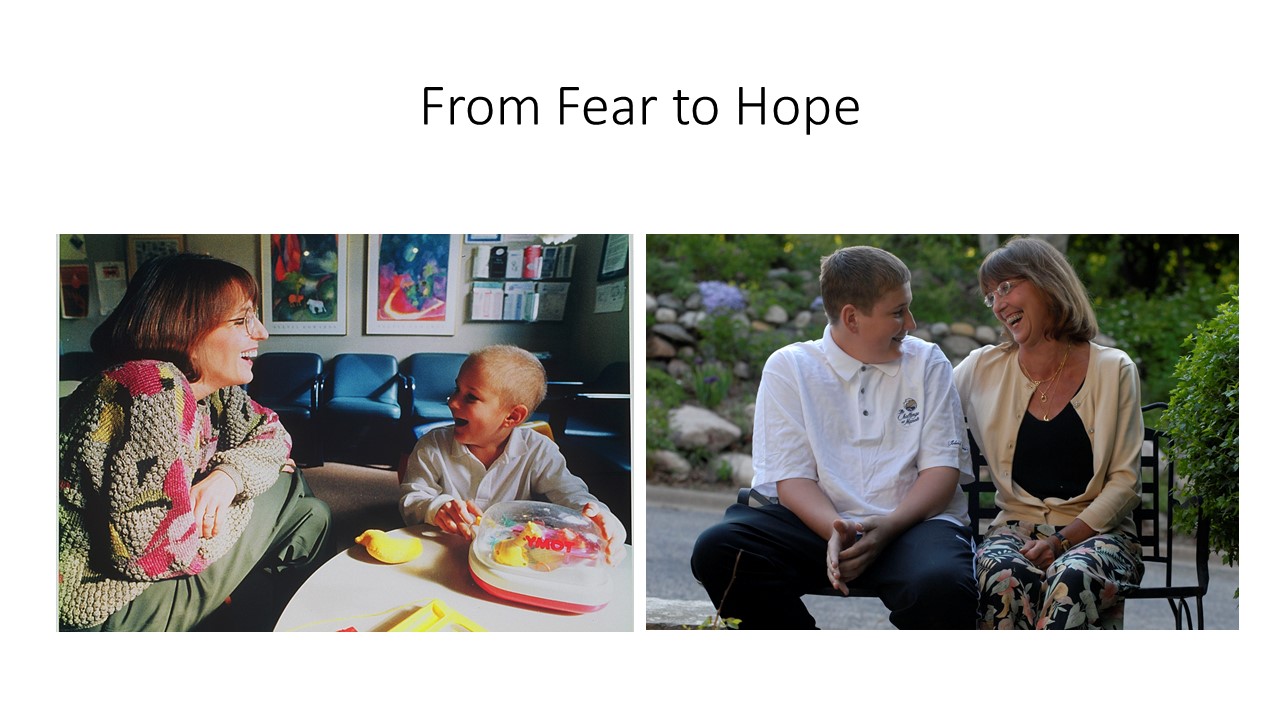
From Fear to Hope: How Cancer Research Makes a Difference

Valentine’s Day reminds us to show our love to one another. International Childhood Cancer Day, the day after, reminds us of how much love our children bring into our lives, and how much fear and anxiety we feel when they get sick. Losing a child is a parent’s worst fear. Watching your child endure months or years of scary and invasive treatment and debilitating side-effects obliterates the childhood we expect and want them to have. We all want the best for our children. Criss Angel, Las Vegas illusionist and magician, faces fear every day when he performs with fire and gravity-defying stunts but says that nothing compares to the fear of losing his son to cancer. [...]

Standing at Water’s Edge: Reflecting on the Past, Paying Attention to the Present

Years after my son completed treatment for leukemia, I stood at the ocean shore as dusk descended with unexpected swiftness. Blackness blanketed the bay, and I felt the same fear and isolation I'd experienced that first fretful night in the hospital. I peered into the darkness, expecting the horizon to orient me, searching for the line demarcating sky and water, insight and perspective, when suddenly the waves surged up over my knees, throwing me off balance. In my determined effort to find a beacon, I'd forgotten to pay attention to the moment. (adapted, Standing at Water's Edge: A Cancer Nurse, Her Four-Year-Old Son and the Shifting Tides of Leukemia). It's easy to get wrapped up in [...]


Go to Top