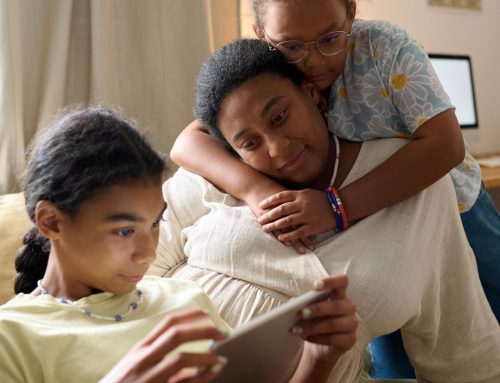
Childhood cancer changes more than a child’s health, it reshapes the entire family’s emotional world. Parents balance fear and fierce love, siblings wrestle with feelings of pride and being left behind, and everyday life feels both fragile and unfamiliar. In this post, I’ll share what brought us steady support: honest talks, small routines, and caring connections that helped hold us all together through pediatric cancer’s toughest days.
Navigating Family Emotions
Childhood cancer impacts everyone in the family, altering the way they connect and cope. Let’s explore how these emotions manifest and how families can find balance and support.
Fear and Courage in Parents
Parents of children with cancer face a unique blend of fear and courage. From the moment of diagnosis, a constant undercurrent of fear grips them. It’s a fear of the unknown, of potential loss, and of how life will change. Yet, amid this fear, parents also find incredible courage. Every decision, from treatment options to daily routines, requires bravery. This courage manifests in advocating for their child’s needs and finding strength even when feeling vulnerable.
Parents often draw courage from small victories, like a good day at the hospital or a comforting moment with their child. It’s essential to acknowledge this courage, understanding that it’s okay to feel afraid while still pushing forward. Families who recognize and validate these emotions can navigate the cancer journey with resilience and hope.
Sibling Support and Dynamics
Siblings of children with cancer often face their own emotional struggles. They may feel pride in their sibling’s bravery, yet also experience feelings of being overshadowed. It’s common for siblings to wrestle with jealousy or guilt, wondering why their family life has changed so dramatically.
Open conversations help siblings understand that their feelings are normal. Parents can encourage siblings to express their emotions and involve them in caregiving when appropriate. By acknowledging their role and importance in the family, these siblings can feel valued and connected, promoting a supportive family dynamic.
Partner Relationships Under Strain
Partner relationships can face significant strain during a child’s cancer treatment. The stress of managing medical appointments, balancing work and caregiving, and supporting other children can take a toll. Communication is crucial. Partners need to share their feelings and concerns openly, ensuring they’re on the same page.
Setting aside time for each other, even in small ways, can help maintain a connection. It’s important for partners to remember they’re a team, working together for their child’s well-being. By supporting one another and acknowledging each other’s stress, partners can strengthen their relationship during this challenging time.
Practical Caregiver Support
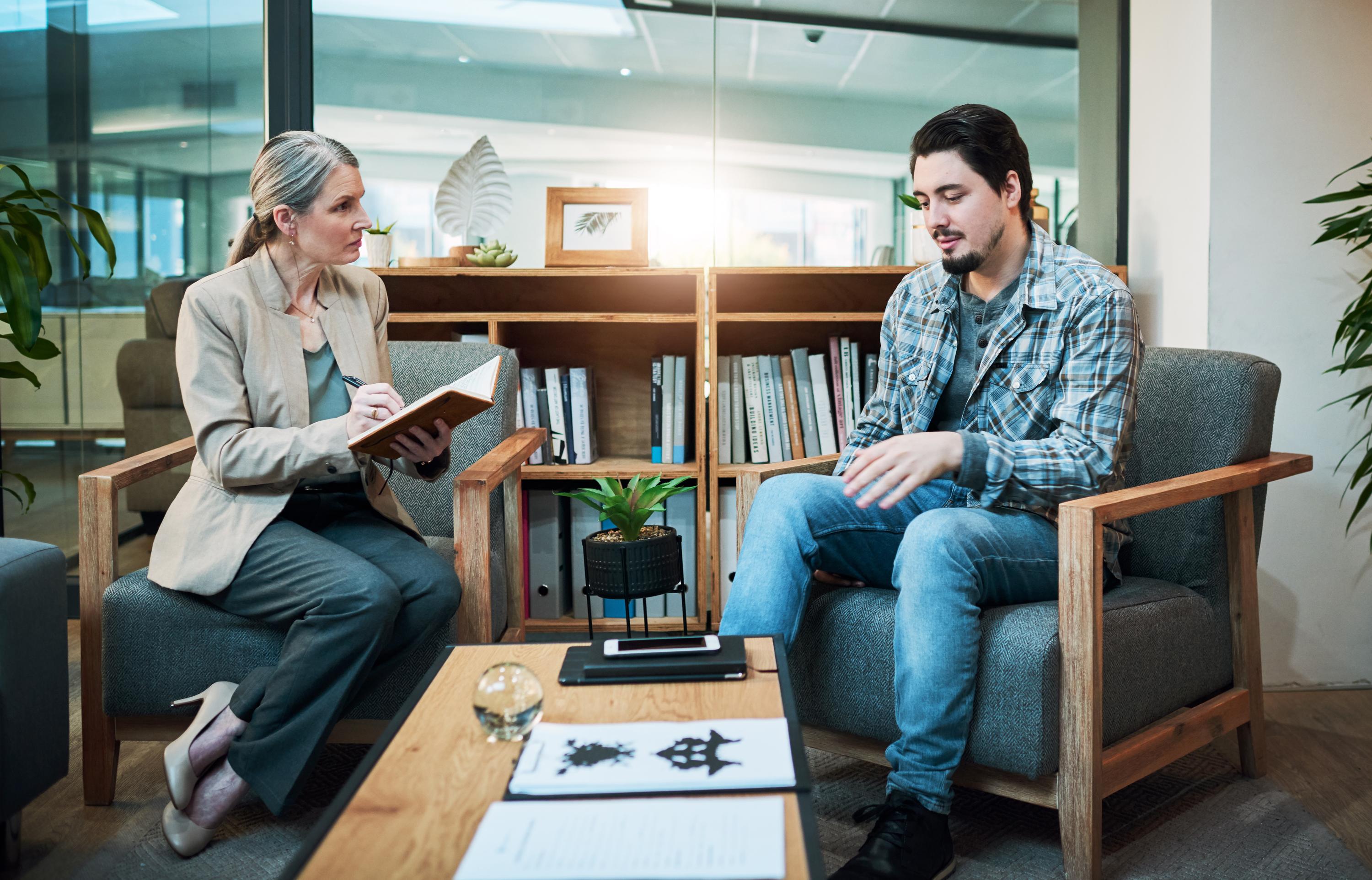
Families facing childhood cancer need practical support to manage daily challenges. Here, we’ll discuss effective ways to communicate with care teams and integrate mindfulness practices into family life.
Effective Communication with Care Teams
Clear communication with healthcare teams is vital for caregivers. Regular updates, asking questions, and understanding treatment plans empower parents to make informed decisions for their child’s care. Building a relationship with the medical team fosters trust and ensures everyone is working towards the same goal.
One practical tip is to keep a notebook for questions and notes during appointments. This helps ensure nothing is forgotten and provides a clear record of discussions. Effective communication not only improves care but also reduces anxiety, allowing caregivers to feel more in control.
Integrative Healing and Mindfulness Practices
Integrative healing practices, like mindfulness, offer valuable support for families during cancer treatment. Mindfulness can help reduce stress and promote emotional well-being by focusing on the present moment. Simple practices, such as deep breathing or guided meditations, can be integrated into daily routines.
Families might explore activities like yoga or tai chi together, fostering a sense of calm and connection. These practices provide a break from the medical focus, offering space for reflection and emotional release. By embracing mindfulness, families can find moments of peace amid the chaos of cancer treatment.
Importance of Support Groups and Parent Mentors
Support groups offer a lifeline for families navigating childhood cancer. Connecting with others who understand the journey provides comfort and reduces feelings of isolation. Sharing experiences, challenges, and triumphs creates a sense of community and belonging.
Parent mentors, those who have walked a similar path, provide invaluable guidance and hope. They offer practical advice based on their experiences and serve as a source of inspiration. Engaging with support groups and mentors can make the cancer journey more manageable, offering strength and resilience to families.
Pathways to Resilience and Hope

Resilience and hope are essential for families facing childhood cancer. Let’s explore coping skills and the potential for growth during and after this challenging experience.
Coping Skills for Mental Health
Developing coping skills is essential for managing the mental health challenges of childhood cancer. Techniques such as journaling, art therapy, and physical exercise can provide emotional outlets. Encouraging family members to express their feelings in creative ways helps process emotions and reduce stress.
Seeking professional mental health support can also be beneficial. Therapists specializing in pediatric oncology offer valuable tools for coping with anxiety and depression. By prioritizing mental health, families can build resilience and navigate the cancer journey with greater strength.
Trauma and Growth in Survivorship
The trauma of childhood cancer can lead to significant emotional growth in survivors and their families. Survivorship often brings a new perspective on life, emphasizing the importance of relationships and appreciating small moments. This growth is a testament to the resilience and strength developed through the cancer experience.
Families may find themselves more connected and understanding of each other’s challenges. Embracing this growth can lead to a renewed sense of purpose and a deeper appreciation for life. Remember, it’s okay to seek support and celebrate growth, even when it follows a difficult journey.
Sharing Stories and Finding Connection
Sharing personal stories is a powerful way to find connection and healing. Writing or speaking about the cancer journey allows families to process their experiences and inspire others. These stories offer hope, showing that resilience is possible even in the face of adversity.
Families can share their stories through blogs, support groups, or community events. By opening up, they contribute to a larger narrative of hope and healing. This sharing fosters connection with others who understand, providing comfort and strength to all involved.
Frequently Asked Questions
How can parents balance fear and courage during their child’s cancer treatment?
Parents can balance fear and courage by acknowledging both emotions and finding strength in small victories. Open communication and seeking support from healthcare teams help build confidence while allowing space for vulnerability.
What strategies can siblings use to cope with the changes in family dynamics?
Siblings can benefit from open conversations about their feelings and being involved in caregiving. Encouraging them to express emotions and validating their role in the family helps maintain a supportive dynamic.
Why is mindfulness important for families dealing with childhood cancer?
Mindfulness offers stress reduction and emotional well-being by focusing on the present moment. Simple practices like deep breathing or guided meditation provide a sense of calm, helping families navigate the challenges of cancer treatment.
How do support groups and parent mentors help families during cancer treatment?
Support groups provide a sense of community and reduce isolation by connecting families with shared experiences. Parent mentors offer guidance and hope based on their journey, making the cancer experience more manageable.
What role does sharing personal stories play in healing?
Sharing personal stories helps families process their experiences and inspires others. By contributing to a narrative of hope and resilience, families find connection and strength in their journey.
This post offers insights and practical support for families facing childhood cancer. Through understanding emotions, embracing mindfulness, and connecting with others, families can navigate this journey with resilience and hope.

About the Book
Janice Post-White’s memoir is a story about a cancer nurse who thought she knew what life and death were about.
Then her 4-year-old son got leukemia.
This heart-wrenchingly real but inspiring book shines a light on the life-affirming discoveries that can be made when one is forced to face death—and bravely chooses to face fears.
ON SALE DECEMBER 3, 2021
2022 First Place Award from the American Journal of Nursing Book of the Year in the category of Consumer Health and Third Place in Creative Works
Finalist in Health/Cancer from the American Book Fest Best Book Awards, the International Book Awards, and the Eric Hoffer Book Awards