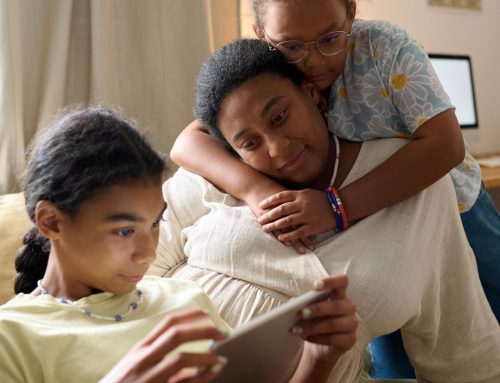
When childhood cancer enters a home, it changes everything especially how each family member feels inside. The shock and uncertainty reshape family emotional health in ways few expect. But what kind of support truly helps parents, siblings, and partners hold on through treatment and beyond? Drawing on my experience as a nurse and a mother, I’ll share what eased our fears and fatigue, and what you can rely on today.
Navigating Emotional Shifts
Family Emotional Health in Crisis
When a child is diagnosed with cancer, it hits the family like a wave, leaving everyone struggling to stay afloat. You might find yourself grappling with emotions you never anticipated. Your family’s emotional health takes center stage as you navigate this crisis. Parents often feel overwhelmed by fear and uncertainty. You’re not alone in this experience, as many families feel the same way. The key is to acknowledge these emotions and seek support to manage them effectively.
Resilience After Cancer Diagnosis
Resilience becomes your closest ally when facing a cancer diagnosis. Building resilience involves finding strength in small victories and maintaining hope through tough times. You’ll discover that resilience is not a fixed trait but something you develop over time. By focusing on what you can control, like maintaining a routine or finding moments of joy, you can foster resilience within your family. Remember, resilience is about bending without breaking, finding ways to adapt, and supporting each other through this journey.
Sibling Support in Cancer
Siblings often experience a whirlwind of emotions during a cancer diagnosis in the family. They might feel overlooked or confused, unsure of how to express their feelings. It’s crucial to engage them in open conversations about what’s happening and how they’re feeling. Encouraging siblings to ask questions and share their thoughts helps them feel included. Activities like art projects or family game nights can provide a safe space for siblings to express themselves and find comfort in togetherness.
Practical Support Strategies
Parent Caregiver Support Essentials
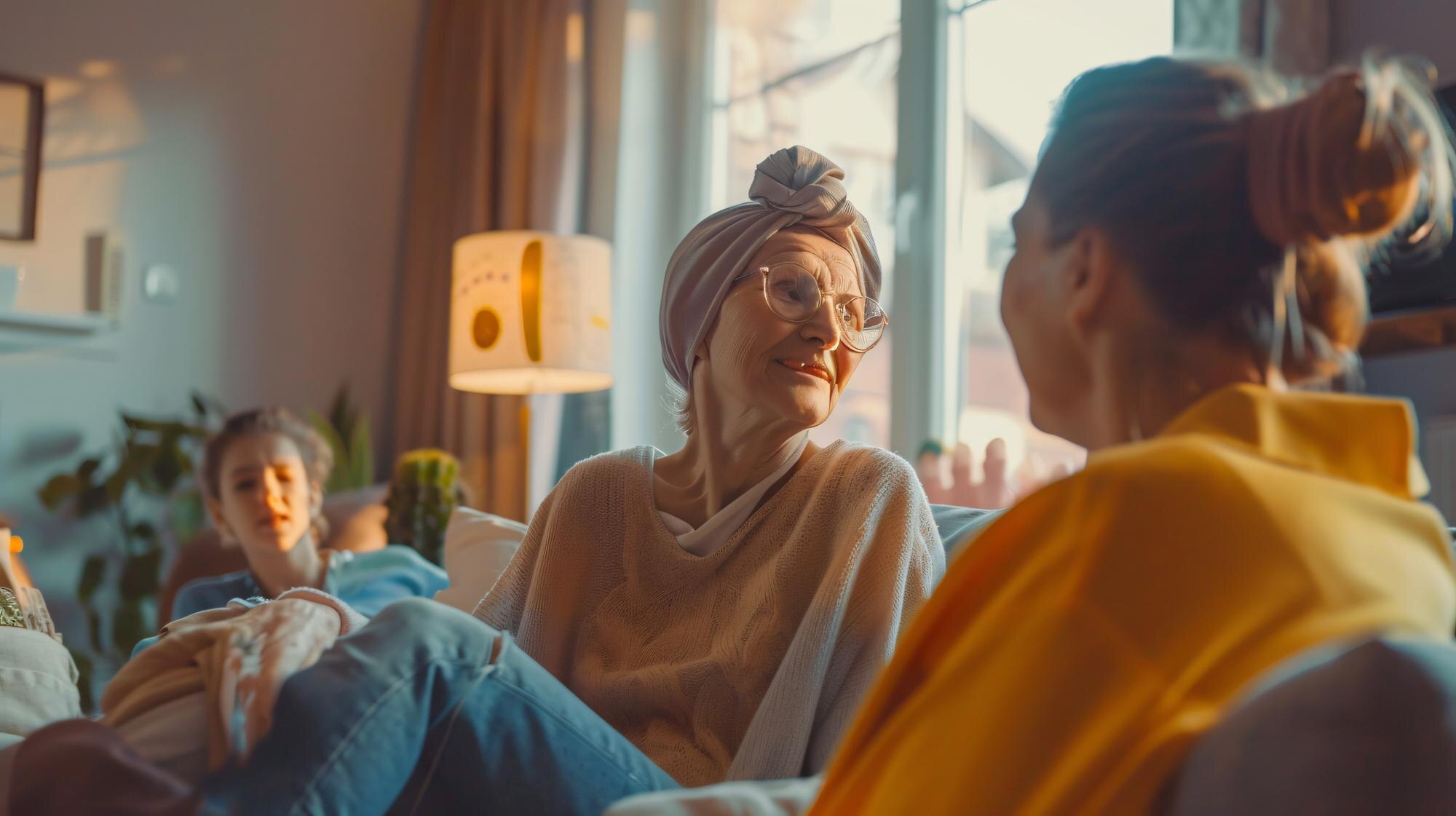
Parent caregivers need a robust support system to manage the challenges of caring for a child with cancer. You deserve to prioritize your well-being too. Seeking guidance from other parent caregivers and professionals can provide valuable insights and emotional support. Establishing a network can help you feel less isolated and more empowered. Remember, taking care of yourself is not a luxury but a necessity to continue providing the best care for your child.
Coping Strategies for Caregivers
Caring for a child with cancer can be emotionally and physically exhausting. It’s important to develop coping strategies to manage caregiver stress effectively. Simple practices like deep breathing exercises or taking short walks can help you recharge. Setting realistic goals and celebrating small achievements can boost your morale. You might also consider journaling as a way to process emotions and gain clarity. Finding moments of calm amidst chaos can make all the difference.
Support Groups for Families
Support groups offer a haven for families navigating the cancer journey. Connecting with others who understand your experience can provide comfort and validation. These groups often serve as a source of practical advice and emotional reassurance. Participating in a support group can help your family feel less isolated and more hopeful. Sharing your story and hearing others’ experiences fosters a sense of community and collective strength.
Rebuilding Life After Treatment

Hospital to Home Transition
Transitioning from hospital to home is a significant step in the cancer journey. It’s an opportunity to reclaim a sense of normalcy and routine. Preparing for this transition involves organizing your home environment to accommodate your child’s needs. Communication with healthcare providers ensures you have the necessary resources and information. This period is about finding balance, easing back into daily life, and celebrating progress.
Integrative Healing and Mind Body Practices
Integrative healing approaches can support the emotional and physical recovery of your family post-treatment. Mind-body practices like yoga or meditation encourage relaxation and restore a sense of control over your body. These practices can be tailored to fit your family’s needs, offering a gentle way to manage stress and promote healing. Exploring these options with your child can introduce new ways to connect and support their recovery.
Post Traumatic Growth and Survivorship
Experiencing cancer can lead to post-traumatic growth, where families find new strengths and perspectives. Survivorship is about more than just surviving; it’s about thriving and finding meaning beyond the illness. Reflecting on the journey and recognizing growth can be empowering. Embrace the resilience your family has built, and use it to shape a hopeful future. Understanding that survivorship involves ongoing growth and adaptation can help you navigate the path ahead with courage and optimism.
Frequently Asked Questions
What are some coping strategies for caregivers?
Coping strategies include deep breathing exercises, short walks, and journaling. Setting realistic goals and celebrating small achievements can also boost morale.
How can siblings be supported during a cancer diagnosis?
Engage siblings in open conversations about their feelings and involve them in family activities. Encourage them to ask questions and express themselves in safe spaces like art projects or family game nights.
What is post-traumatic growth in cancer survivorship?
Post-traumatic growth refers to finding new strengths and perspectives after experiencing cancer. It involves recognizing personal growth and using resilience to shape a hopeful future.
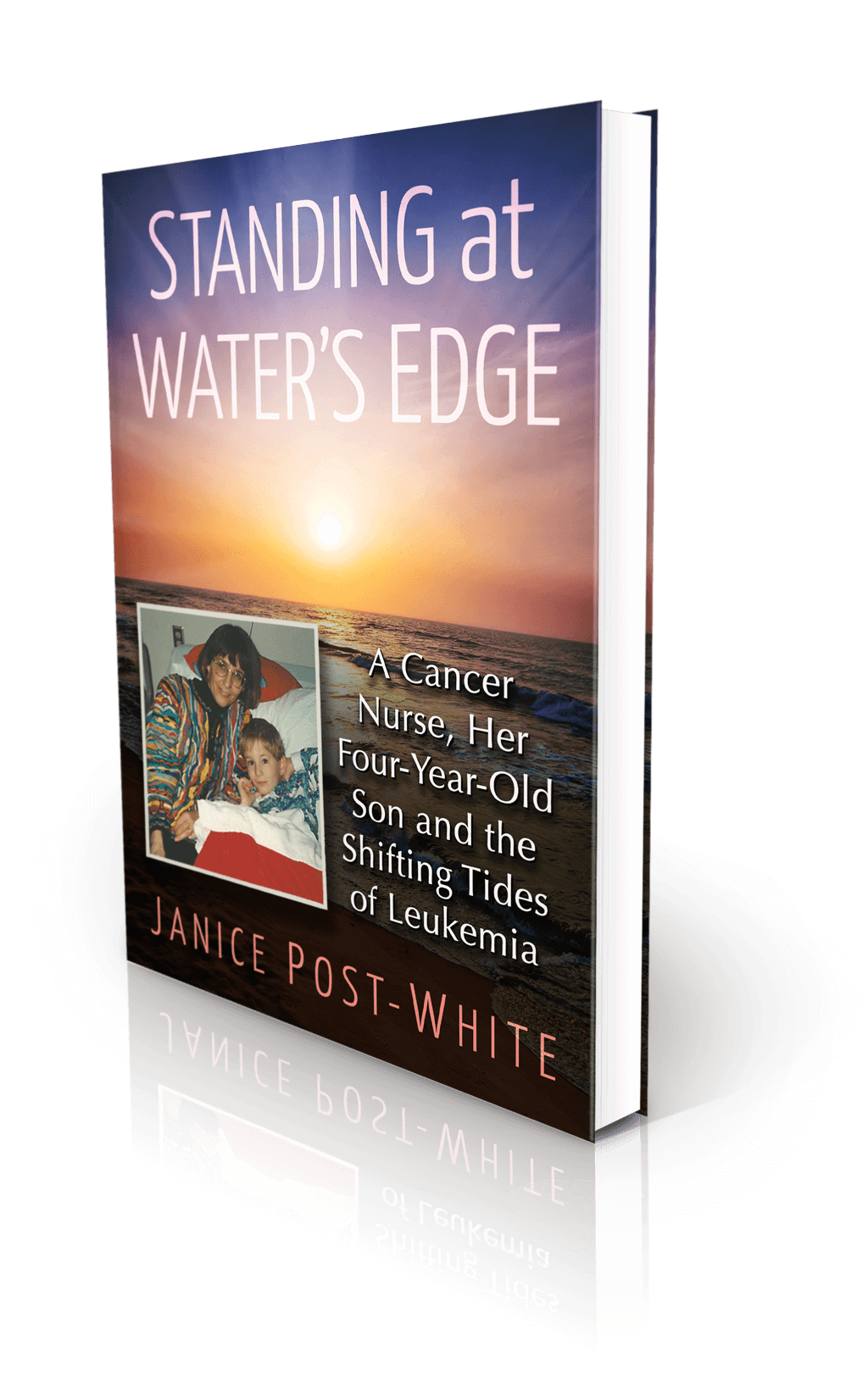
About the Book
Janice Post-White’s memoir is a story about a cancer nurse who thought she knew what life and death were about.
Then her 4-year-old son got leukemia.
This heart-wrenchingly real but inspiring book shines a light on the life-affirming discoveries that can be made when one is forced to face death—and bravely chooses to face fears.
ON SALE DECEMBER 3, 2021
2022 First Place Award from the American Journal of Nursing Book of the Year in the category of Consumer Health and Third Place in Creative Works
Finalist in Health/Cancer from the American Book Fest Best Book Awards, the International Book Awards, and the Eric Hoffer Book Awards