When childhood cancer enters a home, nothing stays the same. Daily routines twist, roles shift, and every family member feels the weight differently. From the hospital halls to quiet nights at home, coping with cancer as a family demands strength few expect. In this post, I share insights from both a cancer nurse and a mother who lived this reality, offering guidance on what support truly helps families build resilience.
Family Life Disrupted by Cancer
When cancer enters a family, everything shifts. It changes how you live, work, and relate to each other. The journey is filled with challenges but also opportunities for growth.
Coping with Cancer as a Family
Facing childhood cancer as a family is overwhelming. You might feel lost, but remember: you’re not alone. Families often find strength in unity. Talk openly about what you’re going through. Sharing fears and hopes can lighten the emotional load. Sometimes, just listening is enough. Creating a routine, no matter how small, helps bring a sense of normalcy. It could be as simple as having dinner together or watching a favorite show. These moments help remind you of the life you’re fighting for.
Hospital to Home Transition
Leaving the hospital doesn’t mean life returns to normal. It’s a new phase with its own hurdles. At home, roles may change. You might become a full-time caregiver, managing medications and appointments. It’s crucial to stay organized. Keep a calendar with all important dates and checklists of tasks. This keeps stress at bay. Remember, it’s okay to ask for help. Family and friends often want to assist but don’t know how. Be specific about your needs, whether it’s running errands or babysitting.
Parenting Through Illness
Parenting while dealing with childhood cancer is tough. You worry about the sick child but also about siblings who need attention. Make time for one-on-one activities with each child. It doesn’t have to be big: a short walk or reading a book can make a difference. Encourage siblings to express their feelings. They might feel scared or neglected. Let them know it’s okay to feel this way, and reassure them they’re loved. These small actions help maintain family bonds during difficult times.
Building Family Resilience

Building resilience is essential for coping with childhood cancer. It involves finding ways to adapt and thrive despite challenges. Communication, support, and self-care are key elements.
Communication with the Care Team
Effective communication with healthcare providers is vital. Ask questions, no matter how small they seem. Understanding your child’s treatment plan reduces anxiety. Keep a notebook to jot down questions and answers. This ensures you remember important details. If something doesn’t make sense, ask for clarification. Doctors and nurses want to help, but they might not realize when you’re confused. Being proactive helps you feel more in control.
Sibling Support During Cancer
Siblings of a sick child face unique challenges. They might feel overlooked or guilty for being healthy. Encourage open discussions about their feelings. Let them know it’s okay to have mixed emotions. Create opportunities for siblings to connect with peers who understand what they’re going through. Support groups or online forums can be valuable resources. These connections provide a sense of community and understanding.
Self Care for Caregivers
Caregivers often neglect their own needs. Yet, self-care is crucial for sustaining your ability to care for others. Set aside time for yourself, even if it’s just a few minutes a day. Read a book, take a walk, or meditate. Whatever recharges you. Don’t hesitate to reach out for professional support if needed. Speaking with a counselor can offer new perspectives and coping strategies.
Practical Supports and Hope

Finding practical supports and hope can make a world of difference. From stress management techniques to healing stories, these elements help families navigate the journey.
Stress Management for Caregivers
Managing stress is essential for caregivers. Simple techniques can make a big impact. Practice deep breathing exercises when feeling overwhelmed. Just a few minutes can clear your mind and reduce tension. Engage in activities that bring joy. Whether it’s gardening, painting, or listening to music, these moments of joy can rejuvenate your spirit. Remember, taking care of yourself is not selfish; it’s necessary.
Integrative Healing and Resilience Stories
Integrative healing combines traditional medicine with complementary therapies. It can help ease symptoms and foster resilience. Explore options like acupuncture, massage, or yoga. These practices can enhance well-being and provide comfort. Resilience stories from other families offer inspiration and hope. Hearing how others navigated similar challenges can be empowering. It reminds you that you’re not alone on this journey.
Trauma and Healing Through Psychoneuroimmunology
Understanding the mind-body connection can aid healing. Psychoneuroimmunology explores how thoughts and emotions affect physical health. Positive thinking and stress reduction techniques can boost the immune system. Explore therapies that emphasize this connection. Simple mindfulness practices can improve overall health. Embrace the healing journey, knowing each step brings you closer to resilience.
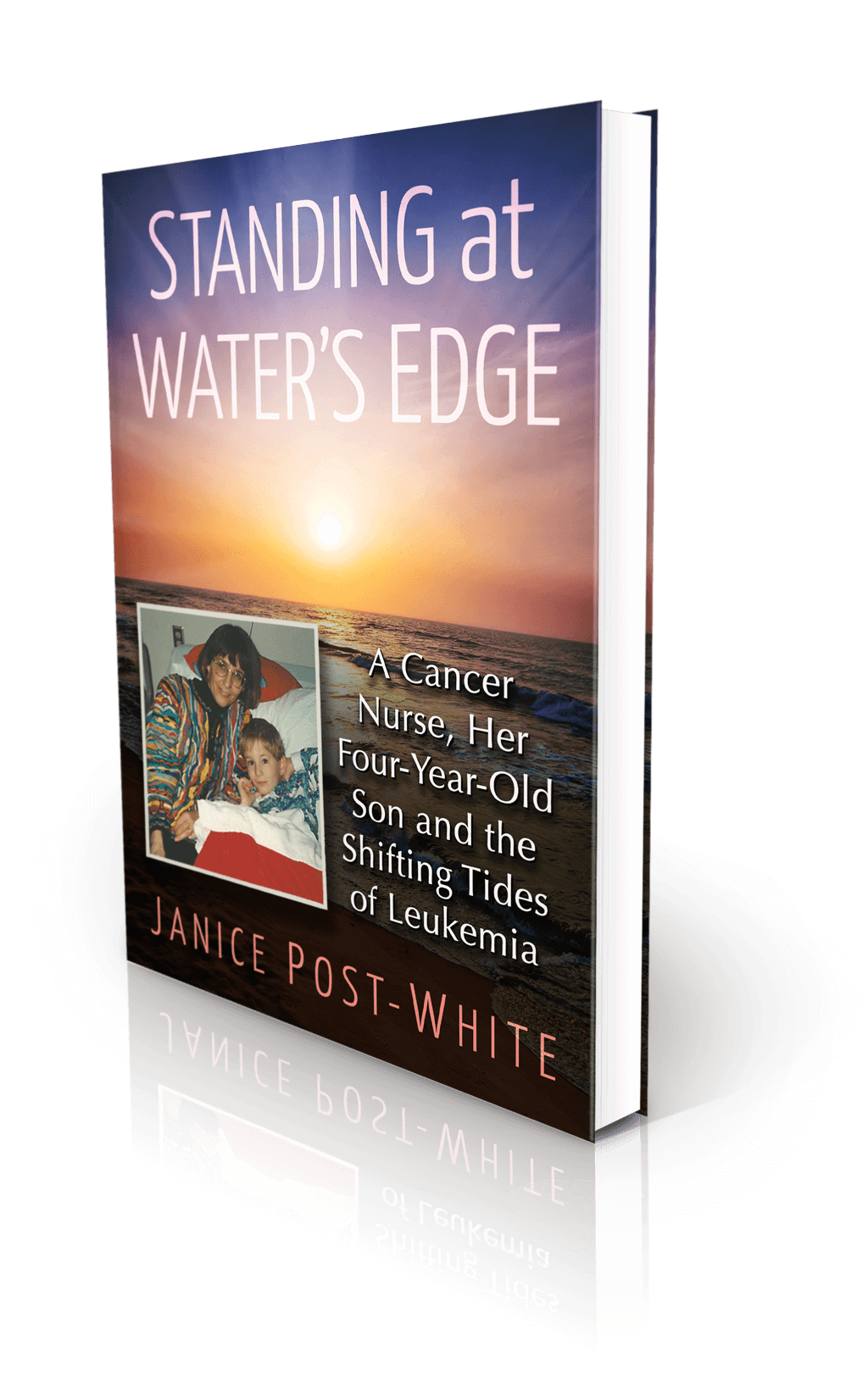
About the Book
Janice Post-White’s memoir is a story about a cancer nurse who thought she knew what life and death were about.
Then her 4-year-old son got leukemia.
This heart-wrenchingly real but inspiring book shines a light on the life-affirming discoveries that can be made when one is forced to face death—and bravely chooses to face fears.
ON SALE DECEMBER 3, 2021
2022 First Place Award from the American Journal of Nursing Book of the Year in the category of Consumer Health and Third Place in Creative Works
Finalist in Health/Cancer from the American Book Fest Best Book Awards, the International Book Awards, and the Eric Hoffer Book Awards