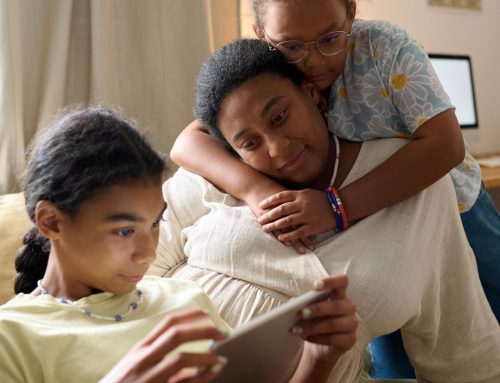
Childhood cancer changes everything, your plans, your heart, your sense of normal. When my son faced leukemia, I saw firsthand how family resilience grows in the hardest moments. This post shares real lessons about holding on to hope after cancer, coping with treatment, and finding strength through simple practices. Whether you’re a parent, caregiver, or healthcare professional, these insights come from the bedside and the heart.
Finding Strength in Adversity

Facing childhood cancer is a challenging journey. Families often find themselves discovering new depths of strength. Let’s explore how these experiences shape resilience.
Lessons from Pediatric Cancer
Childhood cancer is an unexpected detour in life’s journey. It teaches you to adapt quickly. You learn to appreciate small moments of joy. For instance, celebrating a good day at the hospital becomes a cherished memory. It’s about finding light amid darkness.
Most people think cancer is just a fight, but it’s more. It’s a teacher, revealing the strength you never knew you had. You might start to see challenges as opportunities for growth. This shift in perspective can be transformative.
Building Family Resilience
Resilience isn’t about never falling. It’s about how you rise each time. Families become teams, supporting each other through every twist and turn. Simple routines, like family dinners or bedtime stories, become anchors. They provide a sense of normalcy in turbulent times.
Consider a family who started a gratitude journal during treatment. Each family member noted one positive thing each day. This practice, though small, built a foundation of hope and connection.
The Power of Hope After Cancer
Hope is a powerful ally. It fuels the spirit and strengthens the heart. After cancer, hope helps families envision a future beyond illness. It sparks dreams of holidays, milestones, and everyday joys.
Some families find hope through storytelling, sharing their experiences to inspire others. These narratives become a beacon, offering guidance and comfort. They remind you that you’re not alone, and others have walked this path before.
Coping with Treatment Challenges

Treatment brings its own set of hurdles. From medical procedures to emotional stress, it’s a lot to handle. Yet, within these challenges, there are ways to cope and thrive.
Practical Parent Caregiver Tips
Being a caregiver is tough work. Yet, small steps can ease the load. First, prioritize self-care. A rested caregiver is better equipped to support a child. Take breaks, even short ones, to recharge.
Connect with other parents. Sharing experiences and tips can be hugely beneficial. For example, one parent might suggest a schedule that worked well during chemo weeks. These connections foster a sense of community and shared understanding.
Integrative Healing and Mind-Body Practices
Combining traditional treatments with mind-body practices can enhance well-being. Simple activities like meditation or gentle yoga can help manage stress and promote relaxation. They empower both child and caregiver, offering moments of peace.
Consider incorporating breathing exercises into daily routines. Just a few minutes can shift a stressful moment into a calming one, helping everyone feel more balanced and grounded.
Psychoneuroimmunology in Action
The mind and body are deeply connected. Psychoneuroimmunology explores this link, showing how emotions can impact health. Positive thoughts and emotions can boost the immune system, aiding recovery.
Laughter therapy is one example. Watching a funny movie or sharing jokes can create a healing environment. It shows that joy and laughter are not just distractions but important parts of the healing process.
Supporting Families Through Care
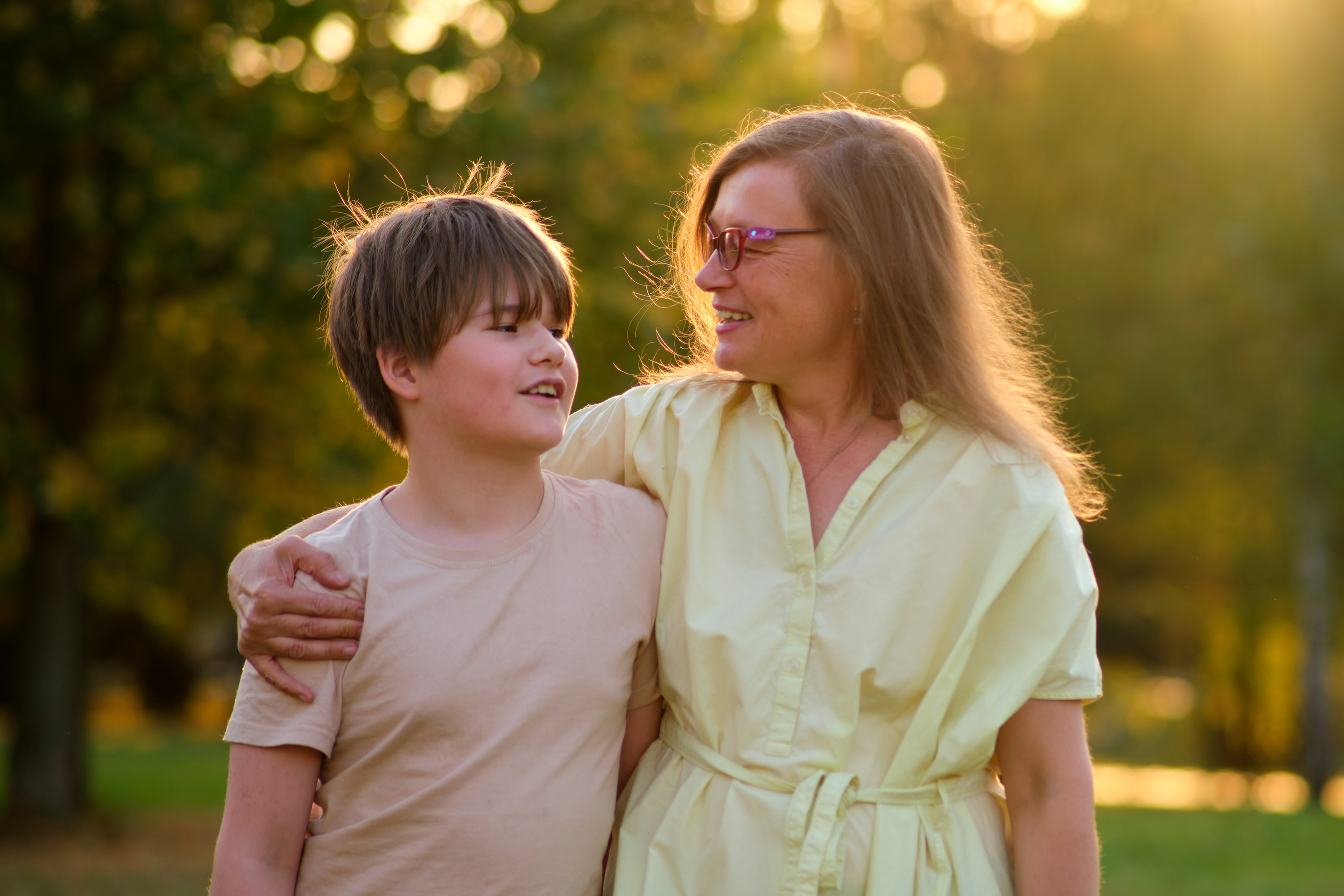
Support extends beyond medical treatment. It’s about creating an environment where families feel understood and cared for.
Insights from Pediatric Oncology
Pediatric oncology offers a unique perspective on care. It’s not just about treating the illness but supporting the whole family. Doctors and nurses often become an extended part of the family, offering reassurance and comfort.
Open communication with medical teams helps build trust and understanding. It ensures that care is tailored to the child’s and family’s needs, fostering a collaborative approach to treatment.
Compassionate Care in Healthcare
Compassion is at the heart of effective healthcare. It means listening, understanding, and responding to the unique needs of each family. This empathetic approach can transform a clinical experience into a supportive journey.
Healthcare professionals who prioritize compassion often find they can better support families through the challenges of treatment. It’s about being present, offering a hand to hold or a shoulder to lean on.
Trauma and Growth in Survivorship
Survivorship is a time of healing but also reflection. Families often discover new strengths and insights in the aftermath of trauma. This growth is a testament to human resilience.
Many survivors develop a renewed appreciation for life. They celebrate each milestone, big or small, with gratitude. This journey of growth and healing is unique to each family, offering hope and inspiration to others on similar paths.
In conclusion, the journey through childhood cancer is undeniably challenging, yet it reveals incredible strength and resilience. By sharing experiences and supporting one another, families can find hope and healing in even the darkest times.
About the Book
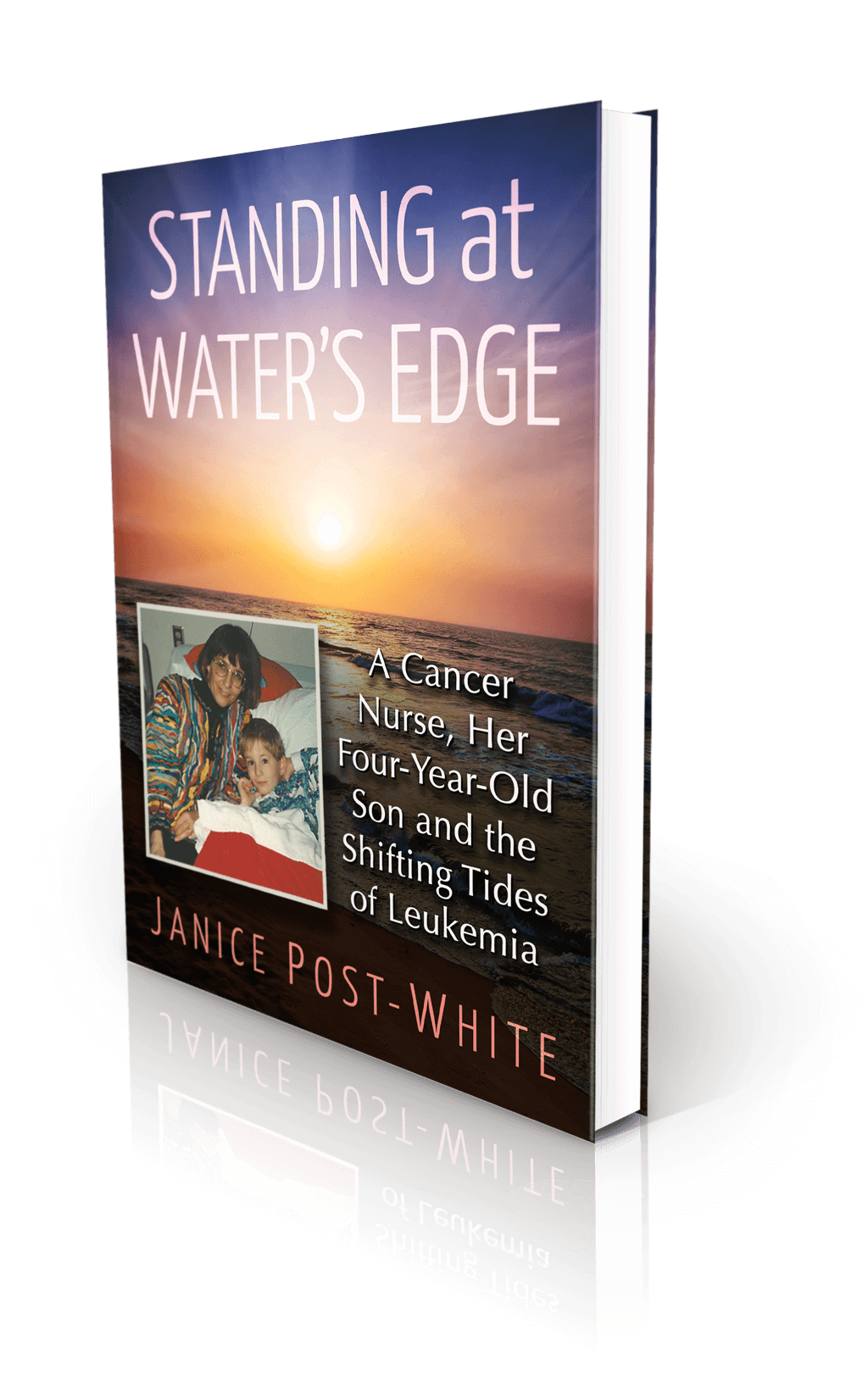
Janice Post-White’s memoir is a story about a cancer nurse who thought she knew what life and death were about.
Then her 4-year-old son got leukemia.
This heart-wrenchingly real but inspiring book shines a light on the life-affirming discoveries that can be made when one is forced to face death—and bravely chooses to face fears.
ON SALE DECEMBER 3, 2021
2022 First Place Award from the American Journal of Nursing Book of the Year in the category of Consumer Health and Third Place in Creative Works
Finalist in Health/Cancer from the American Book Fest Best Book Awards, the International Book Awards, and the Eric Hoffer Book Awards