Holding On Together: Emotional Support for Families During Childhood Cancer Treatment
When a child faces cancer, the whole family feels the weight of each moment. You’re not just watching treatments, you’re holding on through fear, exhaustion, and uncertainty. Childhood cancer support isn’t only about medical care; it’s about steady emotional strength for parents, siblings, and caregivers. In this post, you’ll find honest stories and practical tools to help your family hold on together during treatment.

Navigating Emotional Support
Helping your child through cancer is a journey no parent imagines. Yet, finding and providing emotional support can make all the difference.
Supporting Parents and Caregivers
Parents may feel overwhelmed. It’s important to prioritize self-care. Taking breaks isn’t selfish; it’s necessary. Surround yourself with understanding friends. Let them help with meals or errands. Sometimes, just talking can lift a burden. Remember, you’re not alone. Connect with other parents in similar situations. They get what you’re going through.
Support groups are invaluable. They offer a safe space to express feelings. You’ll hear stories that echo yours. This shared understanding can be comforting. It’s a reminder that resilience grows from community. Don’t hesitate to reach out to professionals. Therapists can provide strategies to manage stress and anxiety. They’ll help you maintain balance during this challenging time.
Sibling Support During Cancer
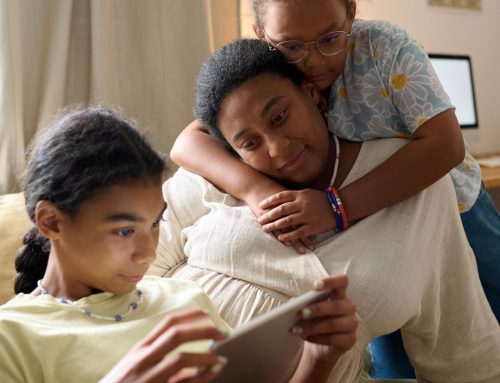
Siblings often feel left out. Their world changes too. It’s crucial to involve them in the process. Let them ask questions. Honest answers build trust. Reassure them that their needs matter. Plan special time together. Even small moments of joy can strengthen your bond. Encourage them to express emotions. Art or journaling can be effective outlets.
Schools can also be allies. Communicate with teachers about the situation. They can offer additional support and understanding. Some siblings might benefit from peer support groups. These groups allow them to connect with others facing similar challenges. It’s a space where they can feel seen and heard.
Building a Community Network
A strong community network offers support and hope. Reach out to local organizations. They often provide resources and activities. These connections can lighten the load. Engage with other families going through similar experiences. Sharing stories fosters empathy and understanding.
Online communities are another resource. They break down barriers of distance and offer around-the-clock support. Participating in these groups can provide comfort during late-night worries. The sense of community helps everyone feel less isolated. It’s a reminder that many are walking this path together.
Practical Coping Strategies
Practical tools ease the emotional load. They empower families, helping them face each day with renewed strength.
Mind-Body Practices for Calm
Mind-body practices can bring calm amidst the storm. Simple breathing techniques work wonders. Try a few minutes each day. This consistency can reduce stress and promote relaxation. Guided imagery is another powerful tool. Visualize peaceful places or positive outcomes. It’s a mental escape that can refresh your spirit.
Yoga and meditation classes might be available near you. These practices promote not just physical but emotional well-being. They help ground you, providing moments of peace. Engaging in these activities as a family can strengthen your bond and provide shared moments of tranquility.
Effective Communication with Medical Teams
Clear communication with medical teams builds trust. Prepare questions before appointments. Write them down to ensure nothing is forgotten. This approach keeps you informed and involved in your child’s care. Encourage open dialogue with doctors. They’re there to help and understand your concerns.
Understanding medical jargon can be challenging. Don’t hesitate to ask for clarification. Keep a notebook handy. Documenting discussions helps track your child’s progress. This record can serve as a valuable reference for future consultations. Effective communication empowers you and ensures you’re an active participant in your child’s journey.
Resilience and Healing Tools
Building resilience is key. Encourage your family to find activities that bring joy. Whether it’s art, music, or sports, these outlets provide a sense of normalcy. Celebrate small victories. They offer moments of happiness and reinforce hope.
Storytelling is a healing tool. Sharing narratives of strength can inspire. Reflecting on past challenges can highlight growth. Use these stories as reminders of your family’s resilience. They’re powerful motivators during difficult times.
Personal Stories and Insights
Real stories offer hope. They show that resilience and strength are within reach for every family.
Lessons from Our Family’s Journey
When my son faced cancer, our world shifted. I learned the importance of small moments. Laughter amidst tears became our lifeline. We found strength in unexpected places. The journey taught us resilience isn’t about being unbreakable. It’s about finding courage in the face of fear.
Growth Through Shared Struggles
Shared struggles bring growth. Facing adversity together deepens connections. It teaches empathy and patience. Families often discover new strengths. The bonds formed during these times are unbreakable. They provide a foundation for future challenges.
Finding Hope and Strength
Hope is a beacon. It guides families through dark times. Strength isn’t just physical; it’s emotional. It grows from love and shared experiences. Every step forward, no matter how small, is a testament to resilience. Together, families can overcome the toughest challenges. Hope and strength are always within reach.
By embracing these insights and tools, families can find the support they need. This journey, though difficult, can lead to profound personal growth and a deeper understanding of resilience.
About the Book
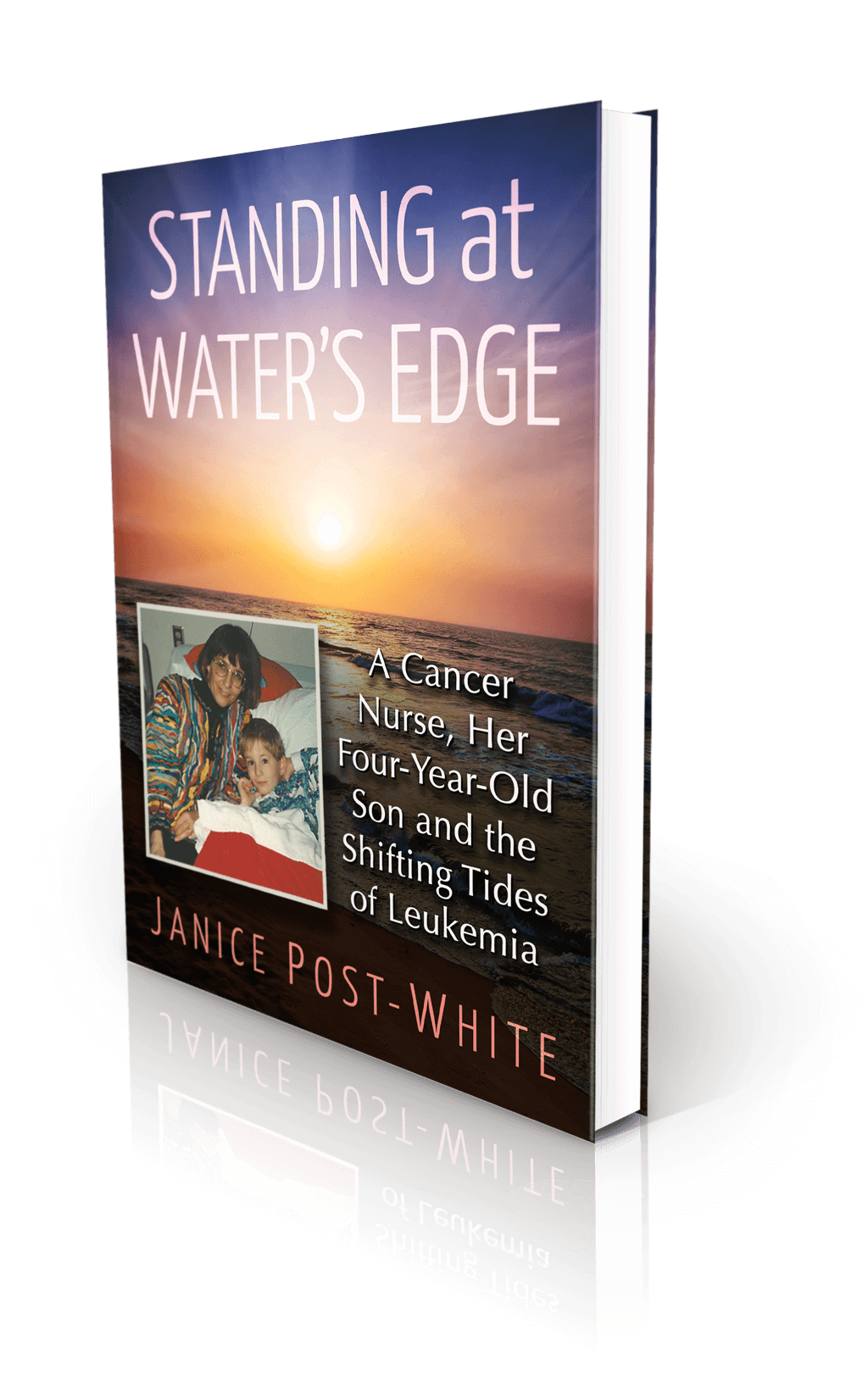
Janice Post-White’s memoir is a story about a cancer nurse who thought she knew what life and death were about.
Then her 4-year-old son got leukemia.
This heart-wrenchingly real but inspiring book shines a light on the life-affirming discoveries that can be made when one is forced to face death—and bravely chooses to face fears.
ON SALE DECEMBER 3, 2021
2022 First Place Award from the American Journal of Nursing Book of the Year in the category of Consumer Health and Third Place in Creative Works
Finalist in Health/Cancer from the American Book Fest Best Book Awards, the International Book Awards, and the Eric Hoffer Book Awards