What Families Need to Know About Emotional Support During Childhood Cancer Treatment
When your child faces cancer, the emotional toll can feel overwhelming and isolating. You may wonder how to support not only your child but the entire family through this storm. This guide on childhood cancer emotional support offers clear steps to help you hold steady, from caring for siblings to managing caregiver burnout, and finding strength in small moments of hope.
Understanding Emotional Support Needs
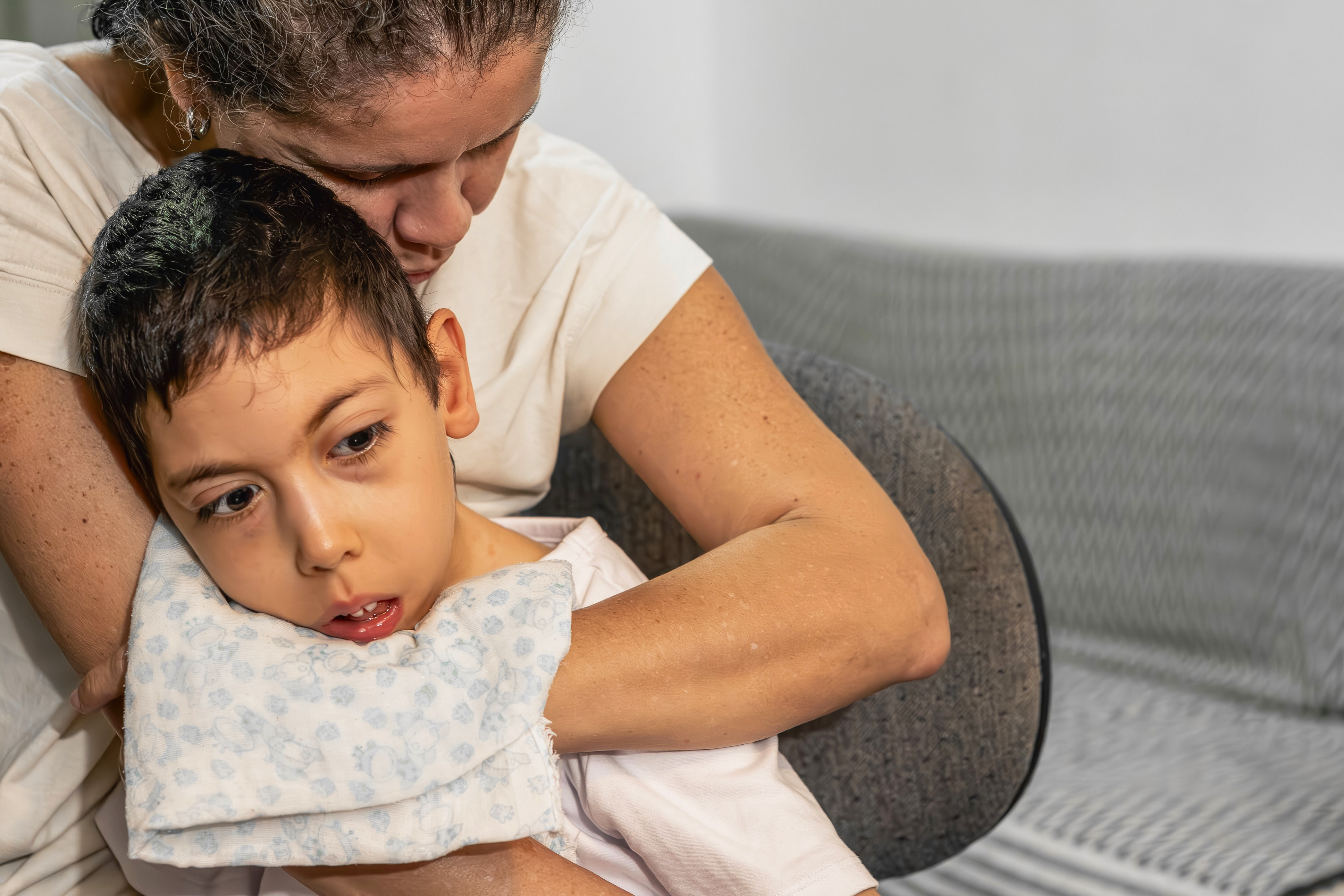
Your child’s medical needs can often overshadow the emotional journey. Understanding emotional support is key to navigating this path. Let’s explore how different resources can provide the support you need.
Open Communication with Care Teams
Connecting with your child’s care team is crucial. They are your partners in this journey. Regular check-ins help you stay informed about your child’s progress. These discussions also provide space to express concerns and ask questions. It’s important to feel heard and understood. Engaging openly with doctors and nurses builds trust. They can also guide you to resources for emotional support. Remember, the team is there to support your family, not just medically but emotionally.
Role of Child Life Specialists
Child life specialists play an important role in helping children cope with cancer. They use play and creativity to make the hospital environment less intimidating. Specialists provide tools that help your child express feelings. They also work with the whole family, offering guidance on how to talk about cancer in age-appropriate ways. These professionals understand that maintaining a sense of normalcy is vital. With their help, your child can face treatment with a little more confidence and joy.
Hospital Social Worker Resources
Social workers are a vital resource. They offer emotional support and practical assistance. You may encounter challenges, both emotional and financial. Social workers can connect you with community resources and support groups. They also provide counseling to help manage stress. Their expertise lies in making sure you don’t face this journey alone. By reaching out, you gain an ally who can help lighten the load, offering you the chance to focus more on your family.
Supporting Families Through Treatment

The treatment phase brings many challenges, not just for your child but for the entire family. Let’s explore how to support each member during this time.
Parenting a Child with Cancer
Parenting a child with cancer requires balance. You must juggle medical appointments, emotional support, and daily routines. It’s easy to feel overwhelmed. Taking small steps can help you manage. Start by creating a consistent routine. This brings stability and comfort to your child. Remember, it’s okay to ask for help. Lean on friends or family for support. Your well-being is crucial too. Caring for yourself enables you to better care for your child.
Sibling Support During Cancer
Siblings often struggle with feelings of neglect or fear. It’s vital to include them in family discussions about the illness. Encourage them to express their feelings. Set aside time just for them. This shows they are loved and important. Sharing stories or reading books about other siblings in similar situations can help. Open communication helps siblings feel understood and strengthens family bonds.
Caregiver Burnout and Recovery
Caring for a child with cancer can be exhausting. Burnout is a real risk. Recognizing the signs early is key. Feeling constantly tired or detached? It might be time for a break. Simple practices like deep breathing or a short walk can help. Connecting with other caregivers provides a sense of community. Remember, taking time for yourself is not selfish. It’s essential for your mental and physical health.
Building Resilience and Hope
Resilience is the ability to bounce back from challenges, and hope keeps you moving forward. Let’s see how you can nurture these powerful tools.
Mindfulness for Caregivers
Mindfulness is a powerful tool. It helps you stay present and calm amidst chaos. Simple practices like focusing on your breath can reduce stress. Mindfulness reminds you to take one day at a time. It also creates space for gratitude, even in small moments. Practicing mindfulness improves emotional resilience, allowing you to support your child more effectively.
Integrative Therapies in Cancer Care
Integrative therapies offer additional support during treatment. Options like massage or music therapy can ease stress and pain. These therapies work alongside medical treatment to enhance well-being. They provide comfort and promote a sense of peace. Exploring these options with your care team ensures they fit safely into your child’s treatment plan. Embracing a holistic approach benefits the entire family, promoting healing both physically and emotionally.
Psychoneuroimmunology and Stress
Understanding the mind-body connection can be empowering. Psychoneuroimmunology explores how stress affects the immune system. Positive emotions and stress management can strengthen resilience. This science supports using emotional and mental wellness practices during treatment. Fostering a positive environment at home helps your child’s recovery. Encouraging activities that boost mood, like laughter or art, supports healing. Bringing this knowledge into daily life offers a sense of control and hope.
In these challenging times, remember that every small step forward matters. By focusing on emotional support, you help your family navigate this journey with strength and compassion.

About the Book
Janice Post-White’s memoir is a story about a cancer nurse who thought she knew what life and death were about.
Then her 4-year-old son got leukemia.
This heart-wrenchingly real but inspiring book shines a light on the life-affirming discoveries that can be made when one is forced to face death—and bravely chooses to face fears.
ON SALE DECEMBER 3, 2021
2022 First Place Award from the American Journal of Nursing Book of the Year in the category of Consumer Health and Third Place in Creative Works
Finalist in Health/Cancer from the American Book Fest Best Book Awards, the International Book Awards, and the Eric Hoffer Book Awards