
Supporting a child and family through cancer treatment often feels overwhelming and isolating. You want to help but aren’t sure what to say or do without adding stress. This post offers compassionate care tips drawn from my experience as a nurse, a researcher, and a mother who’s walked this path. Together, we’ll explore practical steps to ease the burden, support siblings, and keep hope alive during the toughest times.
Understanding Child and Family Needs

When a family faces childhood cancer, their world shifts dramatically. Recognizing these needs is the first step to offering meaningful support.
Compassionate Care Tips
To truly help, start by listening. Sometimes, parents just need to talk about their fears and hopes. A simple, “How can I help today?” can open up the conversation. Offer concrete help, like picking up groceries or babysitting. Small acts of kindness can ease daily burdens, allowing families to focus on what matters most. Remember, your presence is powerful. Just being there shows you care.
Talking to Kids About Cancer
Children need honest, age-appropriate conversations about cancer. A child’s imagination can be scarier than the truth. Help them by using simple words and answering their questions gently. Reassure them that it’s okay to feel scared or confused. Most kids feel empowered when included in discussions, so involve them as much as they seem comfortable. This approach fosters trust and open communication within the family.
Support for Siblings of Cancer Patients
Siblings often feel left out during cancer treatments. They may struggle with fear or jealousy. Spend time one-on-one with them when possible. Let them share their feelings without judgment. Encourage activities that make them feel special and valued. Remind them that their role is important too, as their support helps create a loving environment for their sibling.
Coordinating Practical Help
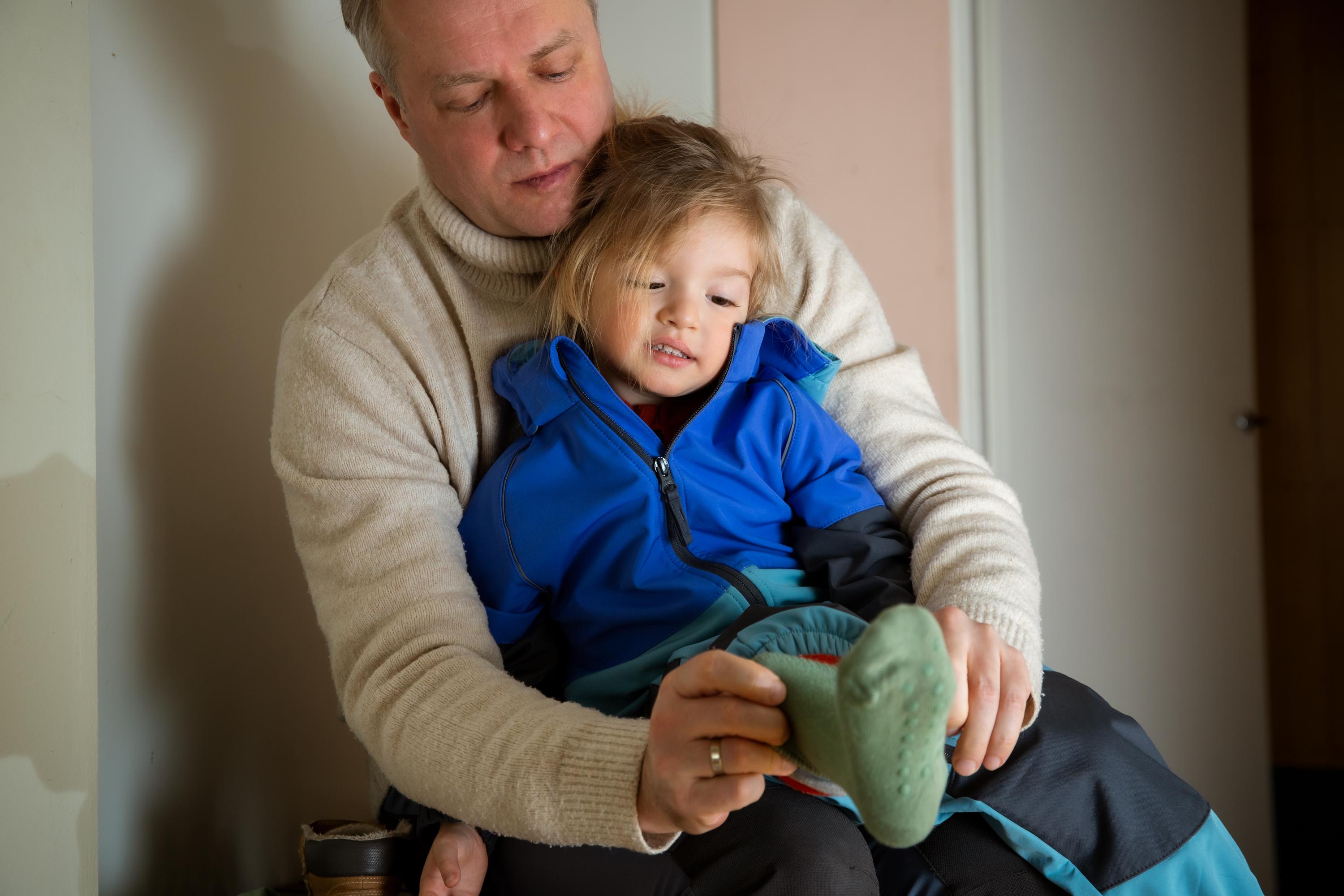
Practical help can lighten the load for families dealing with cancer. Organized support is key in managing daily life.
Meal Train Tips for Cancer Families
Meal trains are a lifesaver for many families. When setting one up, consider dietary needs and allergies. Meals that can be frozen and reheated are often appreciated. Organize delivery times to avoid overwhelming the family with too much food at once. This simple act of providing meals can significantly reduce stress and allow the family to focus on each other.
School and Cancer Treatment
Balancing school and treatment can be tricky. Keep communication open with teachers and school staff. They can provide valuable support and accommodations. Consider a flexible schedule or online learning options. Encourage your child to stay connected with classmates through cards or video calls. This helps maintain a sense of normalcy and continuity during a challenging time.
Partnering with the Care Team
Working closely with healthcare providers ensures cohesive care for the child. Attend appointments when possible. Take notes so you can help the family remember important details. Ask questions to better understand treatment plans. This partnership builds trust and reduces the family’s mental load, knowing they have a supportive ally in their corner.
Nurturing Resilience and Well-being
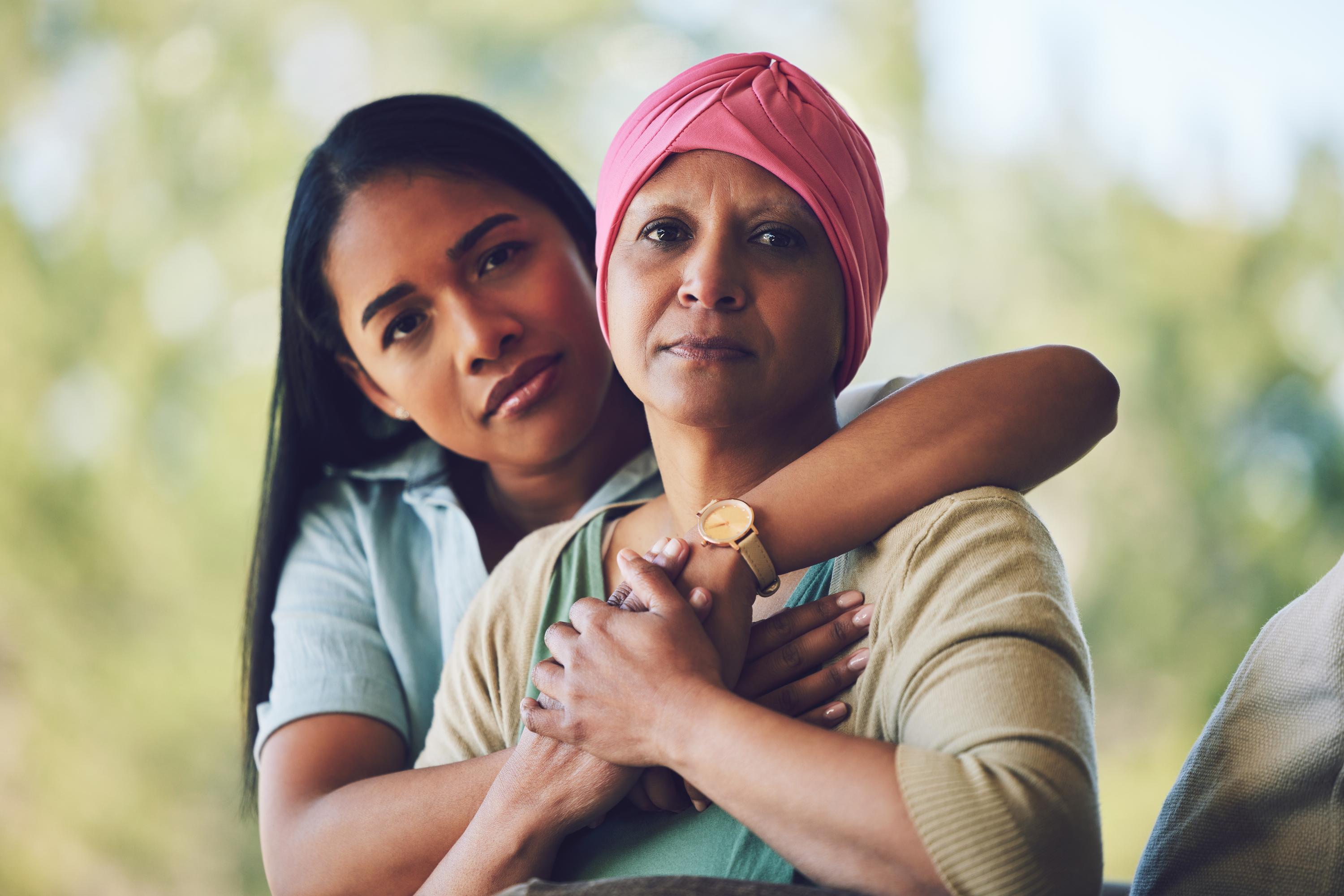
Resilience is crucial during cancer treatment, offering strength to face each day with hope.
Caregiver Self-Care During Cancer
Caregivers often neglect their own needs. Yet, taking care of yourself is vital. Set aside time for activities that recharge you, even if it’s just a short walk or a relaxing bath. Remember, being well-rested and healthy helps you provide better support. Self-care is not a luxury; it’s a necessity that benefits everyone involved.
Integrative Healing for Children
Integrative therapies can complement traditional treatments, enhancing overall well-being. Techniques such as gentle massage or guided imagery may reduce anxiety and pain. Always consult with the care team before introducing new methods. These practices can bring comfort and a sense of control back to the child, fostering resilience in their journey.
Language That Comforts Families
Words hold power. Choose language that offers comfort and hope. Avoid phrases that may dismiss feelings, like “Everything will be fine.” Instead, say, “I’m here with you,” or “You’re not alone.” Validate their experience and offer support tailored to their needs. Compassionate communication strengthens bonds and uplifts spirits during difficult times.
Through understanding, practical help, and nurturing resilience, we can offer meaningful support to families facing childhood cancer. For more insights and stories, explore my memoir, where I share my journey of hope, survival, and healing.

About the Book
Janice Post-White’s memoir is a story about a cancer nurse who thought she knew what life and death were about.
Then her 4-year-old son got leukemia.
This heart-wrenchingly real but inspiring book shines a light on the life-affirming discoveries that can be made when one is forced to face death—and bravely chooses to face fears.
ON SALE DECEMBER 3, 2021
2022 First Place Award from the American Journal of Nursing Book of the Year in the category of Consumer Health and Third Place in Creative Works
Finalist in Health/Cancer from the American Book Fest Best Book Awards, the International Book Awards, and the Eric Hoffer Book Awards