Childhood cancer tests a family’s strength in ways no one expects. When your child faces this fight, resilience becomes more than a word, it becomes your lifeline. Drawing from my experience as a nurse and a mother, I’ve seen how hope after diagnosis can spark healing even in the darkest moments. Let me share what childhood cancer resilience truly means and how it shapes parenting through cancer, offering practical insights to steady your heart and mind.
Lessons in Resilience

Parenting Through Cancer
Navigating childhood cancer is a journey that challenges every parent. Your role becomes both protector and advocate, guiding your child through unknown territory. The strength you find during this time often surprises you. It’s about choosing hope even when fear looms large.
As a parent, maintaining a sense of normalcy is crucial. This means creating routines and holding onto traditions, even when life feels chaotic. Small actions, like reading bedtime stories or preparing favorite meals, provide comfort and stability. These moments remind your child that life still holds beauty, despite the hospital visits and treatments.
Another vital step is building a support network. Whether it’s family, friends, or other parents in similar situations, having people you can turn to makes a difference. Sharing your fears and hearing others’ stories can lighten your emotional load. You realize you’re not alone, and that connection fuels your resilience.
Caregiver Resilience Tips
Being a caregiver is a role filled with emotional highs and lows. It’s important to care for yourself, too. Here are some insights to help you through.
First, prioritize self-care. This doesn’t mean elaborate spa days, but simple acts like taking a walk or enjoying a quiet cup of tea. These moments recharge you, making it easier to support your child.
Second, seek professional guidance when needed. Therapists or support groups provide a safe space to express your feelings. It’s normal to feel overwhelmed, and talking about it helps. Remember, taking care of your mental health is as important as looking after your child.
Lastly, stay informed. Understanding your child’s diagnosis and treatment options empowers you. It helps you advocate effectively for their care. Knowledge is a powerful tool, giving you confidence to face each new challenge.
Finding Hope After Diagnosis
Family Coping Strategies
Discovering that your child has cancer is a moment that changes everything. However, families can find hope and begin to heal by focusing on small, positive steps.
Start by communicating openly. Share information with your child in age-appropriate ways, and encourage questions. Honesty builds trust, helping your child feel secure and informed about what’s happening.
Next, celebrate milestones, no matter how small. Each completed treatment or good news from the doctor is a victory. These moments of joy lift your spirits and remind you of progress.
Lastly, focus on what you can control. While you can’t change the diagnosis, you can create a loving environment and maintain routines. This stability gives your family a sense of normalcy amidst the chaos.
Survivorship Stories
Hearing from those who have walked this path offers invaluable hope. Survivors’ stories show that life after cancer is not only possible but can be rich and fulfilling.
Consider the tale of a young leukemia survivor who, after years of treatment, now thrives. Their journey highlights the power of resilience and the importance of support systems. This child found strength in family and medical teams, emerging stronger and more determined.
Such stories remind us that challenges can lead to growth. They inspire families to believe in the future, providing a beacon of hope for what lies ahead.
Integrative Healing Insights

Pediatric Oncology Caregiving
Caring for a child with cancer involves more than medical treatments. Integrative healing approaches can offer comfort and strength.
Mind-body practices, like meditation and gentle yoga, promote relaxation and reduce stress. These practices can be a bonding activity for you and your child, fostering calm in a stormy time.
Additionally, consider nutritional support. Working with healthcare professionals to ensure a balanced diet can aid in recovery and overall well-being. It’s about nurturing the body to fight and heal.
Finally, explore creative outlets. Art and music therapy allow your child to express emotions and find joy. These activities offer a break from treatment, letting kids just be kids.
Nurse Mother Perspective
As a nurse and mother, I understand the dual perspective of caregiving. My professional experience informed my approach, but being a mother taught me empathy and strength.
I learned that resilience isn’t just about enduring, it’s about adapting and finding light in dark times. This dual perspective allows me to offer insight into the emotional and practical aspects of caregiving. It’s about balancing knowledge with compassion.
Through my journey, I witnessed the incredible power of love and determination in healing. Families facing childhood cancer can find hope and resilience by embracing these lessons and supporting one another through the journey.
About the Book
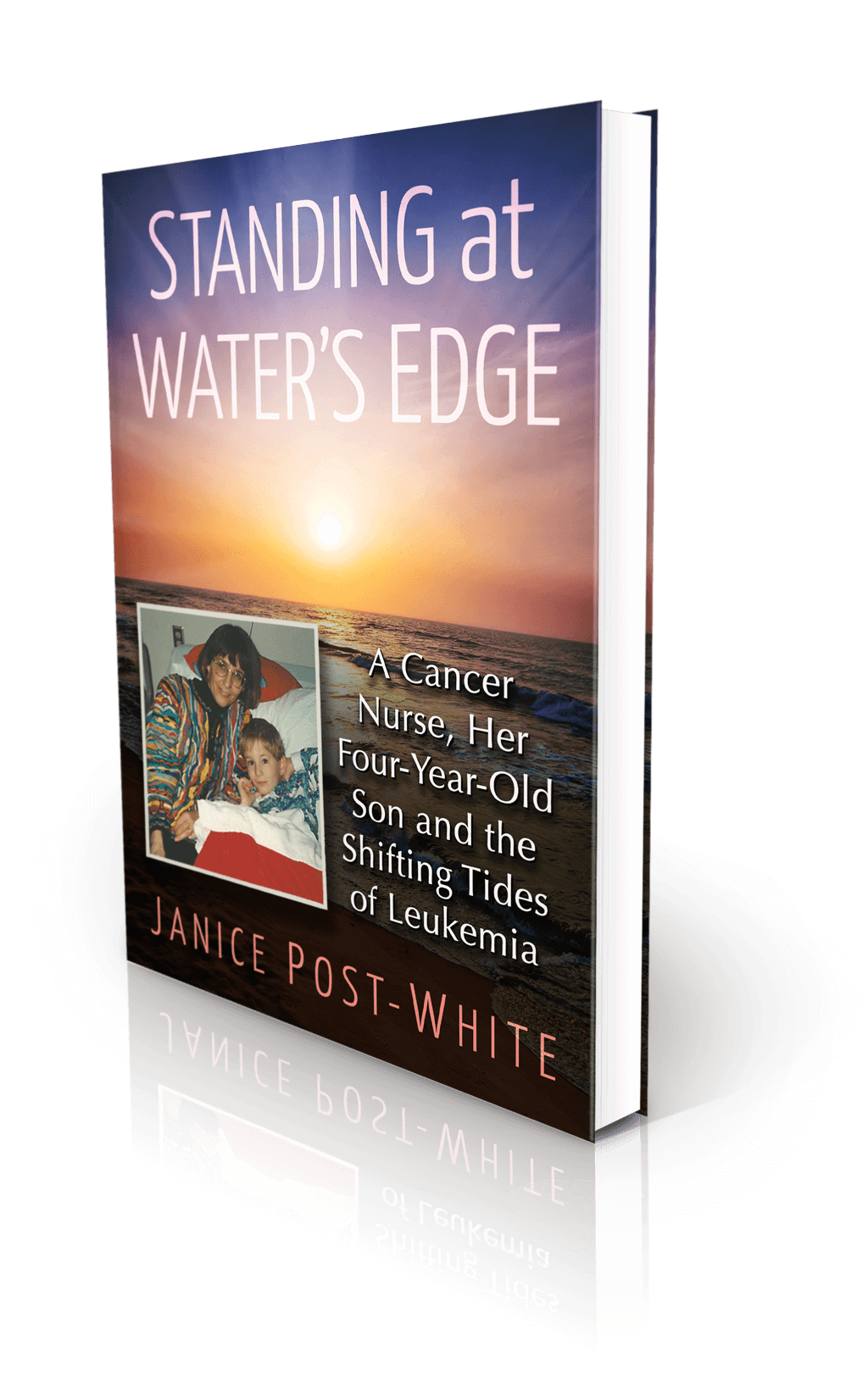
Janice Post-White’s memoir is a story about a cancer nurse who thought she knew what life and death were about.
Then her 4-year-old son got leukemia.
This heart-wrenchingly real but inspiring book shines a light on the life-affirming discoveries that can be made when one is forced to face death—and bravely chooses to face fears.
ON SALE DECEMBER 3, 2021
2022 First Place Award from the American Journal of Nursing Book of the Year in the category of Consumer Health and Third Place in Creative Works
Finalist in Health/Cancer from the American Book Fest Best Book Awards, the International Book Awards, and the Eric Hoffer Book Awards